
Featuring Natalie Foster
Learn how law firms can develop attorneys with the confidence and judgment to take real ownership of client matters. In this episode of the Alpha Lawyer Podcast, Jason Marsh interviews Natalie Foster, Personal Injury Attorney of Bader Law. Foster explains what law school leaves out, why preparation and repetition build confidence, and how check-ins and shadowing help newer lawyers grow. The conversation also covers professional associations, retention, the human side of client service, where AI fits, and why leaders should slow down and invest in their people.
Watch the Episode
0:00 Introduction: Developing Attorneys Who Can Meet Firm Growth
1:20 Welcoming Natalie Foster to the Show
4:00 What Law School Doesn’t Teach New Lawyers
5:47 Starting a Law Practice During COVID
8:18 From Completing Assignments to Thinking Like an Attorney
10:53 What Natalie Looks for in a New Attorney
13:17 Building Judgment Through Reps and Experience
15:47 Finding Your Own Voice in Depositions
19:02 When Firms Hand Out Responsibility Too Soon
21:06 Giving Attorneys Room to Grow Without Micromanaging
24:36 Why Outside Bar Associations and Mentorship Matter
29:01 Attorney Development and Retention
30:47 Overcoming Imposter Syndrome and Finding Your Voice
33:35 Supporting Attorneys From Different Backgrounds
36:21 Keeping the Human Connection as a Firm Scales
39:14 Balancing Empathy With Efficiency
41:59 Where AI Fits, and Where It Doesn’t
46:52 The Skills That Matter Most as AI Takes Over Routine Work
47:44 Why Firm Leaders Need to Slow Down and Invest in Their People
Listen to the Episode
Watch or listen on your favorite platform
Key Takeaways
- Slow down and invest in your people before chasing more cases. Natalie Foster argues that a firm cannot keep or serve the clients it brings in without competent representation, and that firms investing in attorney development keep their lawyers longer.
- Make preparation the source of confidence. Foster looks for newer attorneys who dig into the details, such as reading medical records themselves instead of relying only on an AI-generated summary. She says prepared lawyers tend to answer their own questions instead of going back to a partner.
- Build judgment through repetition and review. Foster started with someone else’s deposition outline, and her first depositions were short and missed key issues. She recommends giving newer lawyers reps, then reviewing their work at set points, such as going over deposition transcripts together.
- Pay for memberships and training outside the firm. Foster says outside associations and mentors were among the most important parts of her development, because they focus on learning in a way a busy firm often cannot. She suggests funding memberships or deposition training, especially for newer attorneys.
- Pick up the phone and see clients in person. Foster tells attorneys to call instead of relying on email and encourages in-person client meetings, because clients are people, not cases. She suggests at least a monthly call, with support staff handling routine updates.
You’re not going to be able to serve them well if you don’t have competent representation. It’s just going to fall apart.
Natalie Foster
Episode Breakdown
Start With the Soft Skills Law School Skips
Natalie Foster says law school teaches lawyers how to research and think like a lawyer but leaves out the soft skills, starting with communication.
One of the first lessons a mentor gave her was to pick up the phone and call other lawyers instead of relying on email. She says lawyers still thank her for calling, and the rapport helps move cases toward resolution.
Her own start was difficult. She passed the bar just as COVID arrived and spent her first year working from home with little in-person support, while learning to manage injured clients dealing with stress, missed work, and lost transportation.
Look for Attorneys Who Prepare and Think Ahead
Foster says the shift from completing assignments to thinking like an attorney comes from seeing the big picture. As an intern, she sat in a mentor’s office during his calls with clients and adjusters and attended his depositions.
When she evaluates newer attorneys, she looks for initiative and preparation. Confidence comes from being the most prepared person in the room, which in personal injury means reading the medical records and learning exactly what happened to the client.
An AI tool can produce a medical chronology, she notes, but it does not give a lawyer the command of the file needed for a strong deposition or mediation.
Prepared lawyers also answer their own questions. The questions they do ask show whether they are thinking several steps ahead, and those lawyers are the most rewarding to mentor.
Build Judgment Through Reps and Regular Review
Foster borrows a mentor’s phrase about putting up reps, like a basketball player shooting free throws. Her first driver deposition followed someone else’s outline almost word for word, and by her account it lasted about 35 minutes and missed the heart of the case.
Over time she added her own questions about the rules of the road and safety, and took continuing education at a deposition college. Her depositions improved, and her voice became her own.
She has also seen firms hand out responsibility too soon. Early in her career, she says, she was given 75 litigation files and left to handle them without real training or mentorship.
Her alternative is to give newer lawyers room to make mistakes while scheduling check-ins at key points, such as after the answer or 30 days before mediation. She also reviews deposition transcripts with them and has them shadow senior attorneys to see different styles.
Support Growth Through Mentors and Outside Communities
Foster calls outside bar associations and professional groups some of the most important influences on her development. They show lawyers how others prepare and question witnesses, and they focus on learning in a way a busy firm often cannot.
She suggests firms pay for memberships tied to their practice focus and for training such as deposition programs, at least for the first year or for lawyers in their first five years. Her own involvement in the Georgia Association for Women Lawyers and the Georgia Association of Black Women Attorneys gave her a network during her isolated early years.
Development also drives retention. Foster says firms that invest in their attorneys keep them longer, and she has stayed longest at the firms that invested in her.
To build credibility and push past imposter syndrome, she reminds herself she passed the same bar as everyone else and asks for feedback, including from mediators after a session. She also recommends that firms pair new hires, even experienced ones, with someone who knows the firm’s culture.
Keep the Human Connection as the Firm Scales
As firms grow, work becomes more process-driven and lawyers can drift away from clients. Foster’s answer starts with the same advice her mentor gave her: pick up the phone.
Her firm also encourages in-person office meetings when clients can make it. These are people, not cases, she says, and no client should finish a matter without knowing what their lawyer looks like.
Empathy still has to be balanced with efficiency, and she notes that a 30-minute call takes a real share of the day. She suggests at least one call a month, more early in a case, with support staff handling routine updates and the attorney handling bigger conversations.
Use AI as a First Draft and Invest in People
Foster treats AI as a first layer that a person then refines, such as drafting a medical chronology or pulling details from documents. She will not use it to draft briefs because of the hallucinated case citations she has seen.
When another lawyer sent her a long AI-generated letter, she called to talk it through, and much of it fell away. As AI takes over routine work, she says knowing the law, the rules, and civil procedure becomes more valuable.
Her advice to firm leaders is to slow down. A firm cannot serve the clients it brings in without competent representation, so its people need to be trained and ready for growth.
Foster believes firms that invest in their people get loyalty and better work in return, and can then raise the bar for the service they give clients.
Jason Marsh (00:00)
On today's show, Natalie Foster, a personal injury attorney and mentor at a 150-person firm who helps lawyers build confidence, sharpen their judgment, and grow into greater responsibility. We'll be talking about how growing law firms can develop attorneys who can meet the demands of an expanding client base with stronger communication skills and the confidence to take ownership of client service without sacrificing the human connection.
Natalie Foster (00:27)
you can't keep the clients that you're getting all these cases. You're not going to be able to serve them well if you don't have competent representation. it's just going to fall apart. So you've got to make sure that the
people that you've got, the staff that you've got is qualified, that they're trained up, that they're educated, that they're, ready to take on the growth that you're implementing.
Jason Marsh (00:53)
Welcome to the Alpha Lawyer podcast, a show dedicated to exploring what makes law firms thrive. I'm your host, Jason Marsh. Join me as I interview some of the smartest thought leaders and accomplished law firm owners in our space. Together, we'll dive deep into law firm operations, marketing, technology, finance, and everything else you need to build an incredible firm that allows you to live your best life.
Jason Marsh (01:20)
Hello, welcome back to the Alpha Lawyer Podcast. I'm your host, Jason Marsh, and joining me today is Natalie Foster. Hey Natalie, great to have you here today.
Natalie Foster (01:29)
Hey, good to see you.
Jason Marsh (01:32)
So so we're gonna be talking to Natalie about something I think any growing firm eventually has to figure out, and that is how to develop the attorneys responsible for delivering on that growth. Because bringing in more cases, that's one thing, and you can keep hiring and throwing bodies at things, and that's only going to get you so far. Because at some point the firm has to develop the lawyers who have the confidence, the judgment, and the client skills to really take on the real responsibility of managing a matter.
And Natalie, I think you have a great perspective on this, given your own path into the law, and also how over the years you've become more deeply involved in both mentoring and supporting the next generation of attorneys. So today I want to get into what often young lawyers, but not always, are missing when they enter a new practice, why preparation is such a huge part of confidence, how mentorship and professional communities can accelerate development.
But also what law firm leaders can do to develop more highly capable attorneys within their firms and do so without losing that human side of client service. So before we get too deep into that, I want to introduce you to the audience. So again, I'm here with Natalie Foster. Natalie is a personal injury attorney at a large firm in Atlanta, handling serious injury cases, auto trucking accidents, premise liability.
But she's built a really strong reputation as a trial lawyer. She secured millions of dollars in settlements for clients. As I mentioned, she's deeply involved in professional organizations, focusing on supporting and developing other attorneys. And that includes the Georgia Association for Women Lawyers and the Georgia Association of Black Women Attorneys. So Natalie brings a really strong perspective on what it takes for lawyers and young lawyers to build confidence, develop judgment, and grow into attorneys who can take on real responsibility inside a firm.
So, Natalie, one of the things I want to start with is the gap between what lawyers learn in law school and what actually makes them effective once they get into a practice, right? Law school teaches you how to think like a lawyer, but not necessarily how to manage clients or exercise judgment under pressure, even how to communicate with other attorneys, and ultimately take ownership of a matter. So when you look at that, what do you think young lawyers are most
unprepared
for when they first enter practice of law.
Natalie Foster (04:00)
I mean, it's everything that you said. literally law school drops you off with the knowledge of how to look things up, how to think like a lawyer, but you miss all of the soft skills. Basically, where do I start? so I was very fortunate in my practice to come out and immediately run into some really fantastic mentors who kind of guided me from the beginning on how to
Honestly, pick up the phone, I think was one of the first things that one of my mentors told me. Pick up the phone, call lawyers, talk to them immediately. don't do the keyboard thing, and sending the emails and things like that. I think that's the number one things that people might miss in this practice. And even still to this day, when I'm speaking with lawyers or I get on a case, one of the first things that they say after I give them a call is, Thank you so much for the phone call,
you end up really building a good rapport in trying to get this case and this matter resolved because that's really what this is about. We're trying to get a resolution for someone who's been hurt. So that's really what that gap is is really just kind of starting with good communication, I think, is really what it encompasses.
Jason Marsh (05:10)
Yeah, we just I know we mentioned this before the show, but I just the previous show we did with Don Andrews was saying all of these things essentially that young lawyers are not good at communicating and it it's largely a generational thing, but they need to understand that you need to communicate regularly about where you're at. You get an email, you need to acknowledge you received it. If there's a problem, get ahead of that. just basic stuff.
And so clearly communications at the start. But let me ask you this, when you started, what did you have to learn the hard way, that law school didn't prepare you for? You have you probably have some stories.
Natalie Foster (05:47)
Wow.
I have a ton of stories. I I bumbled around for years, actually. My first couple of years were really difficult. especially because I graduated from law school in 2019. I passed the bar and immediately COVID hit. So my entire first year of practice was at home, kind of by myself without a lot of physical support from other lawyers. So I was really in the trenches.
But one of the main things or hardest things was dealing with clients and client issues. And because I'm in the personal injury sphere, the clients are real people with real problems, lots of varying personalities, and varying stages of where they are kind of in the process. And people who are injured and going through real life
situations, hardship are
They can they they can really be kind of have high anxiety, let's put it that way. And lot lots.
Jason Marsh (06:46)
Yeah, there's probably a lot of emotion involved, right? They may be hurt, they have big
medical bills, they're just ultimately just trying to heal and get back to where they started.
Natalie Foster (06:55)
Absolutely. They might be inconvenienced by not having a vehicle. They can't take their kids to school. They can't make it to work. They've got a lot of things that are going on their mind. And here you are trying to help them. so managing clients and client expectations and trying to just really meet their needs was a lot. And depending on what kind of practice you're in, you might have a lot of those clients. So really being communicative with clients was difficult.
managing their expectations around communication was kind of difficult as well. but I think that was one of the hardest things that I had to deal with. and just being able to relate to them and really calm them at a time where their emotions were running really hot.
Jason Marsh (07:37)
Yeah, so we're talking about I think a lot of the soft skills and I have a whole section that I'm gonna get into with you so we can go deeper on just the idea of soft skills, because you can be a very capable, bright lawyer, but being able to communicate with not just your clients but other people around you is important. And, you also brought up mentoring, right? And so obviously that sounded like it would have been difficult for you in your first year when you're stuck at home and at a computer.
Yeah, it's not the same type of thing as physically being in the office, being able to ask people questions on the fly. But from what you've seen, is there a point at which a lawyer or younger lawyer is able to start making that transition from just simply, let's just say, completing assignments to actually
Natalie Foster (08:17)
Yeah.
Jason Marsh (08:18)
thinking and operating like a practicing attorney?
Natalie Foster (08:21)
Yes, there is a point. but I think it comes after being able to see the big picture. At least that's how it happened for me. I was really fortunate through my first couple of years interning in a personal injury practice that my particular mentor allowed me to literally sit in his office for the couple hours that I was at the office with him.
So I was able to hear his phone calls with clients. I was able to hear his phone calls with adjusters. I sat inside of his depositions. I was able to really see for big picture what was going on in his cases. And that helped me connect the what I learned in law school with what we were doing with actual clients every day and kind of bridge that gap there.
and I think that just comes with being there and being in the business for a while.
Jason Marsh (09:21)
I've had other conversations about law firms and how they should and can mentor attorneys. And that sounds I mean, it sounds quite obvious, right? It sounds like a very obvious thing to do, have a new attorney sit in with a senior attorney and like you're saying, get the big picture, but they're also seeing how they handle phone calls with different people involved in the case and and so now you're
connecting all of those dots and I'm sure you're absorbing a lot of that as well. And that's gonna, help you evolve into that type of lawyer versus if you're just sitting in office by yourself, potentially spinning your wheels. I really like that. So one of the ideas I like here, I think this is something you've leaned into, but it's the idea that, confidence, right? And practicing law.
It's not something that lawyers are just gonna magically have. In a law firm, that confidence is gonna come from preparation, repetition, and then you gradually become trusted to handle more work on your own. and as a firm, you ultimately want people that can really think through problems, make good decisions, like we talked about, communicate early and and clearly
Natalie Foster (10:25)
Yeah. Mm-hmm.
Jason Marsh (10:27)
and often, but take real ownership of the work without everything having to flow back through you or through a partner.
So what's
Natalie Foster (10:34)
Yeah.
Jason Marsh (10:34)
your approach, having had the cool mentorship that you've had, what is your approach to developing attorneys who are confident and capable and that are gonna be able to take real ownership of their matters? Because I that's gonna make your life a lot easier and on the whole it's gonna make the f for the firm's performance a lot stronger.
Natalie Foster (10:53)
Yeah, what I'm looking for in a newer starting attorney is somebody who really takes initiative. And like you said, that preparation and knowing what they need to know is what really sets someone apart. So regurgitating just random facts is not helpful, right? knowing what they need to know is really where someone stands out.
And like you said, being the most prepared person in the room is really where your confidence comes from. So if that means, especially in the personal injury space, you've got to be the one to go through medical records and you've got to spend some extra time really getting to know what happened to someone. kind of the pen and paper way. you gotta print them out. that is somebody I would trust with.
More handling a matter from the beginning. we were talking a little bit before we started about AI and these new tools coming out. And there are ways to make some of it a little bit more efficient, right? You can have a tool run a med cron for you, but that kind of thing doesn't really give you the confidence that you need in order to conduct a deposition well or to prepare for mediation well.
So really getting down into the details, that's the kind of person that I'm looking for when I'm looking for somebody who's really prepared. And usually that kind of person answers their own questions. So they don't have to come running back to a partner or to another lawyer about something. And that you can tell the difference in the questions. Yeah, exactly. And by then you can
Jason Marsh (12:21)
And that's exactly what you want, right? Yeah, the worst is when you're just
getting asked a bunch of dumb question or sorry, maybe not dumb
Natalie Foster (12:29)
Yeah.
Jason Marsh (12:30)
question, but questions they could have spent a couple minutes and got their own answer before
Natalie Foster (12:34)
Exactly.
Jason Marsh (12:34)
coming to you and taking up your time and attention away from something else.
Natalie Foster (12:39)
Exactly. You can see the difference in the questions. You can see where the brain is firing off. and that's even more exciting of a person to mentor because you can see, they're thinking outside of the box, or they're thinking three or four steps ahead. and that's very exciting to see.
Jason Marsh (12:55)
Yeah, I think that's great that you've pointed that out because it all makes such great sense in terms of figuring out who are the people that you really want to focus on that are gonna be the good people to mentor. When it comes to reputation building experience that leads to improving your judgment over the time, how like how does that all work together in terms of what you're talking about?
Natalie Foster (13:17)
It comes with one of my mentors calls it putting up reps. if you play basketball, just sit standing at the free throw line, just keep on putting up the reps, keep on keep on shooting that ball. you just have to keep at it and you're going to bumble along a little bit. I know I did my first couple of years of practice. It took a lot of time to be able to kind of figure out my style, right?
In terms of taking depositions. Let's put that start there. It starts with maybe getting an outline from a more senior attorney, taking that and starting there and developing that over time to where eventually my voice comes out and it come becomes more authentic to me. And that's really where the confidence really starts to come through. When you start to
get your own voice and you start really becoming yourself, that's where the that's really where the confidence starts to shine. That's really when the advocacy comes through and you really start to be yourself. your clients benefit the most from that when you find it yourself. And you're not trying to be, the next Joe Freed or or King and Nicks. You're just yourself.
Jason Marsh (14:28)
and is that because you've achieved a level that confidence means you've achieved a level of comfort in what you're doing, so that you just know how to operate. You're comfortable enough to now do it in your own voice and to do it in your own way a little bit, right? They've always said like before you wanna think, outside the box, you've gotta sort of figure out how the thing works and then you can vary it. Is that how it works?
Natalie Foster (14:51)
Yes, that's how it worked for me. Like I said, especially with the deposition example, I started with somebody else's outline. this is I'm deposing a a driver in an auto wreck. Okay, this is this is somebody else's deposition transcript. I'm just gonna take these questions word for word and go down and I hope it works out. And my first couple were not so great, but I got through it. and that is just how it has to happen. You start off
Jason Marsh (15:16)
Now, can you think of an example of
that where like you were just using, repurposing questions you've seen from other attorneys you respected? Sure, great way to start. But at
Natalie Foster (15:25)
Yeah.
Jason Marsh (15:26)
some point you take that question and make it your own because you have a personality and you have experiences that you bring to the table. And right,
Natalie Foster (15:33)
Yeah.
Jason Marsh (15:34)
we all know
that authenticity is so important in how we communicate with other people in our world. Can you think of any type of example you can give where you went from the the boilerplate and made it your own?
Natalie Foster (15:47)
There are so many, Jason, it's it happens forever, I believe. they call it the practice of law for a reason because I think it's always happening, right? but let's say very early on, I think my first ever driver deposition, I was maybe my second year in practice. I took somebody else's outline and like you said, I regurgitated every single question as long as it fit with my fat pattern.
Right, you
Jason Marsh (16:11)
Right.
Natalie Foster (16:11)
know, the type the type of crash or whatever it was. And
Jason Marsh (16:14)
Right. Wasn't like I
w there was no motorcycle involved, what do you think? No, it wasn't that.
Natalie Foster (16:17)
Right.
it wasn't that bad, So, but I think that deposition lasted every bit of 35 minutes. And, that's very short, kind of like it in in lawyer world. I probably left a lot of meat on the bone. I didn't really get to the heart of the issues, didn't really get anything substantive from that driver. And I continued to use that.
Outline maybe for my next two depositions. And just over time, I started to add more things because I it started to click to me what I needed to understand, what I needed to learn from this person. Okay, I need to learn this about this case. Okay, I need to learn what do they know about the rules of the road here? what do they know? what does this person think about?
What can happen if they fail to follow the rules of the road? What should they have done better? What how do they feel about safety? whatever the issues are. And just over time, those depositions got much better. So much so that a few years later in my practice, a lawyer that I had run into much earlier in my practice, he gave me a compliment after and said, You did a great job in your deposition. This was amazing. And I think that was because he had underestimated.
what I was going to do there. So, it's rewarding after time, but you have to put that work in. You gotta keep putting those reps up. and I think that
really came in after I had spent some time really going to educating myself. I'd done some continuing education at a deposition college and, things like that. So that was good.
Jason Marsh (17:52)
Yeah, so yeah, so to really lean into these these skills that you need to develop and enhance, it's not enough to just take somebody else's formula, but because I think especially if you're talking about a deposition, everybody you're dealing with is a little different. You're dealing with human beings. a fluidity. You have to be comfortable to roll with what they're saying and know how to follow up and as you say, ultimately get the information that you're there to get.
Natalie Foster (18:17)
Yeah.
Jason Marsh (18:17)
Because
the question I would have for you, especially on those early ones where maybe you didn't get everything, there's consequences to that. And so what happens in that scenario? Maybe you don't get quite the the settlement or even the judgment that you're looking for. Cause can you go back and get a do-over? Be like, hey, I need a follow-up.
Natalie Foster (18:34)
No.
Jason Marsh (18:34)
You you get one shot at that?
Natalie Foster (18:36)
You can't go back and get a do-over. You don't get you don't get the opportunity to go back and get what you need. So there are 100% consequences to not having that ability to go back and fix things. But thankfully, like I said, it is the practice of law. You do have the opportunity to do another deposition, to put up another rep, to learn from opportunities you had before.
Jason Marsh (19:02)
so let me ask you this. Are there instances where sometimes like a firm is gonna give people responsibility in some particular area before they're actually ready for it? Have you seen that?
Natalie Foster (19:12)
A ton. I've seen it a ton. So my particular career trajectory has taken me through really big firms and really small firms. and there have been times where I've been given seventy five litigation files and they've been like, Great, have a good time. good job. and been l left. And that was very early on in my career. just to
just to take them. They just needed a warm body in the seat. Please somebody take this case and go ahead. that's a lot to give a very junior lawyer without a lot of experience. and that happens, I imagine, quite a lot, depending on the type and size of firm and and things like that. And without good training, good resources or mentorship.
You can absolutely have some instances where you run into assignments that you're not quite ready to take on. But yeah, go ahead. Yeah.
Jason Marsh (20:03)
and you could s I was gonna say you could see how that can easily happen, right? Because you're
like, Hey, we hired this person because we think they're really bright, really capable people. And the and again it goes back to the disconnect between things you learn in law school and the things that you learn over time and as you say, practicing law, getting better at it. And then if you don't have that training or mentoring, the resources that you need, you can see how that could put people in situations where they're not set up to succeed.
Natalie Foster (20:30)
Exactly. Exactly. but it is also kind of self-driven, kind of like what we were talking about earlier. the difference between someone who knows what they need to know, they kind of dig in, ask, really good questions. that kind of person gets as prepared as they possibly can. and they do what they can. I think that's kind of a
tradition of the past, the kind of sink or swim, Yeah.
Jason Marsh (20:52)
Yeah, it's like a trial by fire. And some people are
just gonna go, all right, I'm gonna dive into this, I'm gonna prepare, prepare, prepare. Maybe I don't have it all there, but then there's other people that are gonna sit there, like a lump and, just kind of get, not do well. Let's just say that.
Natalie Foster (21:05)
Exactly.
Jason Marsh (21:06)
now what about is there a way as you're trying to mentor these attorneys, bring them along, but is there a way to give them enough room to grow? without
setting them up to fail, but at the same time not micromandering trying to find that happy balance.
Natalie Foster (21:20)
Yeah, absolutely. to me it's kind of intuitive because they are, especially when you're talking about young attorneys, they're barred. They are compet you start understanding that they are competent, you're licensed, you deserve to be here, you should be able to do and carry out this job.
for the most part. And then from there you give assignments and you give them room to kind of mess up and ask questions. in those instances you kind of just give them the room to do what they need to do. my favorite thing. Yeah, check in on them.
Jason Marsh (21:56)
You check in on Yeah, go yeah, what's your favorite thing?
Natalie Foster (22:00)
My favorite thing is like check-ins, right? I've had
specific check ins where like times of the case, right? Like post answer check-ins or right before mediation or 30 days before mediation will check in. Or even reading deposition transcripts. Let's go over this and let's see where you, kind of left meat on the bone. Do this differently next time. I think that's really impactful. And having attorneys sit in
On more senior attorneys depositions, still having that kind of shadow experience, that's really impactful as well. Because you get to see how other people do things. because we were talking earlier about authenticity, right? I think it's important if you have the opportunity to have people see, okay, this is how this lawyer does it versus this is how this other lawyer does it. There are multiple, different ways to skin a cat. So
Jason Marsh (22:57)
And to know that it's okay, that there's
Natalie Foster (22:57)
I think that's good to see.
Jason Marsh (22:58)
not one right way, but everybody finds the way that is natural and works for them. And you can by being in the room, you can get some ideas, start making those your own. Yeah, you can see
Natalie Foster (23:08)
Yes, yes.
Jason Marsh (23:10)
a lot of ways. And and I think what you're talking about in the the last couple of minutes here is really for the senior attorneys, and the leaders in the firm
Natalie Foster (23:16)
Yeah.
Jason Marsh (23:17)
to be hearing that stuff and going, These are the ways you're gonna bring these younger attorneys or newer attorneys within the practice.
along so that they're gonna perform at the level that you want to rather than just leaving twisting in the wind. just like the
Natalie Foster (23:30)
Absolutely.
Jason Marsh (23:31)
check-ins and things that you mentioned and the timing of those check-ins, like after they've
Natalie Foster (23:34)
Yeah.
Jason Marsh (23:35)
done some substance substantive work, but there's still time to correct things before the stakes go up when there's, actual hearings or mediations or things.
Natalie Foster (23:44)
that's important.
Jason Marsh (23:45)
so I wanna talk about
more of the professional community, right? Because we're talking obviously about all the things we're gonna come back to this a little bit, but what people do to develop attorneys and mentor them inside a firm. But a lot of attorney development, not just happens inside the firm, but it happens through outside of the firm, mentors and peers and bar associations, other professional communities, which there are many, right, in the legal space.
are
able to expose, as we're saying, attorneys to these different ways of thinking, give them opp opportunities to, learn from different people and help them develop beyond whatever they're seeing in their own office. And so in your view, how important are mentorship and professional communities and associations, within the legal space in developing attorneys who also can grow within the firm so that they can eventually take on the the level of responsibility you want them to?
Natalie Foster (24:36)
I could not stress enough. I wish I could stand up on the desk and scream about how important that is. That right, you've
Jason Marsh (24:41)
Do it. You can. You can stand up on the ducks. We'll just see like your your like bottom of your legs.
Natalie Foster (24:47)
seen my feet. Right. that is extremely important. I think some of my experiences and my membership in some of these external associations has been
the most impactful in my journey in becoming a better attorney.
Jason Marsh (25:05)
And why? And
why? what is it about them that that are able to make them so impactful?
Natalie Foster (25:11)
Hearing from other attorneys on how they practice. Literally, like how we were saying before, there are so multiple ways to skin a cat. You're hearing from other other attorneys on how they prepare, on the things that are important in different kinds of cases, on how they ask questions and depositions, on the types of information that they collect, on how to collect different types of information. Those things are
just invaluable and you get them from some of these outside sources because you don't always have the time inside of a firm, right? You have different varying kind of competing priorities here. you got clients, you've got scaling, you've got marketing, you've got all these things that are really important in the day-to-day. When you join these outside associations, that's all about learning, all about building your practice. That is invaluable experience. Very important.
Jason Marsh (26:03)
yeah, that's great to hear. And especially I would imagine every firm they have their own culture, sometimes their own ways of doing things, maybe more or less rigid, but it's cool to hear from how other people are doing it that may be completely different.
Natalie Foster (26:14)
Yes.
Jason Marsh (26:15)
that might be a better fit for your style or personality. yeah, assuming it's, not going to bump up against, your existing firm policy. But how can firms encourage their attorneys to build relationships?
and learn outside of the firm.
Natalie Foster (26:32)
fund it in or some ways.
Jason Marsh (26:33)
Okay, there you go. Money.
Natalie Foster (26:35)
that's been one of the one of the best ways honestly in the firms that I've been in, if there's a CLE or budget, right? or some if we've got a focus in the firm, right? If we're focusing on trucking cases, fund the membership for ATAA. or if we're just generally we want to
Expand our knowledge outside of here, fund the membership for AAJ, or at least for the first year, or for younger attorneys, right? Maybe for everybody who's practicing under five years. We'll pay for your membership. we'll send you to deposition college, things like that. I think that's amazing. And then the attorney will start to see the value for themselves and they can keep it up for the a year after that. Whatever. But I think that kind of thing really helps for them to just see what's out there.
Jason Marsh (27:18)
So and what of organizations for you personally, like the Georgia Association for Women Lawyers and the Georgia Association of Black Women Attorneys, how has that helped you in your own development?
Natalie Foster (27:27)
Those are wonderful, amazing local organizations that have helped me kind of build relationships within the community. Those are really pivotal and amazing for me, especially during that first, those first couple of years of practice where I truly didn't know a thing, and especially during COVID, where we didn't have a whole lot of interaction in my first one or two years of practice.
So just the community building there was amazing. and having other women to lean on and speak to about their experiences in the practice, right? that was the most impactful for me.
Jason Marsh (28:06)
Yeah, I think this is one cool thing about the legal industry is just the sheer number of associations and all the niche groups around anything, whether gender or yeah, race, other
Natalie Foster (28:16)
Yes.
Jason Marsh (28:17)
things. But because the reality is, right, your experience is different as a woman. It's different as a black woman than it is for a white guy. And it's probably nice to have other people that have shared that experience and just
Just so you're learning how to navigate things within your own profession.
Natalie Foster (28:34)
It is and it is really helpful to kind of be able to have a network of people that have those experiences. You can bounce things off of, somebody you can reach out to. And those women are extremely supportive. They give cases, they give advice, build all types of relationships and I go to their kids' birthday parties and all kinds of things. So it's amazing.
Jason Marsh (28:53)
Yeah.
And I imagine these are relationships you're gonna have your entire career, whether you
Natalie Foster (28:57)
So
Jason Marsh (28:57)
whether you stay with one firm your whole career, you move to other firms,
start your
Natalie Foster (29:00)
Yes.
Jason Marsh (29:01)
own firm, that type of thing. And and that stuff is so valuable. But let me ask you another question, because when it when it goes to investing in this kind of development, for your attorneys particularly, how does that affect obviously it's gonna the hope is that it's gonna affect their performance as they learn, but how does that actually affect retention, right? Because we know
Hiring new attorney, it's an expensive process. yeah, every time you have to, switch you get rid of somebody, and I've seen it. Yeah, it's just
Natalie Foster (29:25)
Uh-huh. Yeah.
Jason Marsh (29:27)
it's time and money to get that person up to speed. So yeah, so I would imagine there's a retention component to this. And how important would you say that is?
Natalie Foster (29:35)
I would say it's extremely important. I think firms that invest in the development of their attorneys have a much higher, higher rate of retention than firms that don't. invest in your people. They want to do good work. And if they feel like you're investing in them to do that good work, they want to do it for you. so it's just kind of give the gift that keeps on giving back to the firm. that's been my experience. It's
been what I've always wanted to do, the firms that have invested in my development, I've spent the most time at those firms.
Jason Marsh (30:06)
Yeah, I mean it really does send a signal to people that, yeah, we care about you. We care about you developing and also developing with the idea that whether you stay here or you move on, we do care about you improving as a professional. And this always leads me to whatever I heard this saying somewhere. It's it's certainly not my own. But somebody says, Well, what if I spend all this money training these people and then they leave? And then the response is, Well, what if you don't and they stay?
So
Natalie Foster (30:37)
Right, right. And and then now what? Then you need to have this extremely mediocre person
Jason Marsh (30:43)
Yeah.
Natalie Foster (30:44)
doesn't know anything on your on your staff and they don't do well for you.
Jason Marsh (30:47)
we were talking about the idea of building credibility and you mentioned finding your voice. And so, this is a part of attorney development that doesn't really have anything to do with the technical skills of being a lawyer. it's the idea of learning how to carry yourself, being able to earn credibility within your firm, find that voice. And especially, when maybe you don't, look like or feel like.
the people who have traditionally been in this room. I know personally I have always suffered from imposter syndrome and any room I'm in, I always feel like, I'm not as smart as anybody else. And so for for people like that, or even for you as a black woman, what did it take for you to start building your own credibility and the confidence in litigation, so that you could be comfortable in owning your own voice as an attorney?
Natalie Foster (31:35)
I did several things. First, I had to do a thing, one thing mentally, which was I had to know that okay, I passed the same bar as everybody else here. I took the same classes as everybody else here. I have the same degree as everybody else here. So I know that at the base level, I've earned that. So let's start there. I didn't get here by luck. So let's start at that base level. And then after that, I did several things.
I always check in with senior attorneys on what I could possibly do better. And I did that in a number of different arenas. Every time I did a mediation with a new mediator, I asked that mediator after, Hey, can I talk to you for a second? What do you think I could have done better here? How was my client controlled? What was this? Like how do you think was I prepared? What could I've done better? I think that really helped.
Me develop my voice, my practice. I got lots of great feedback from and on and honest feedback from mediators
Jason Marsh (32:33)
Yeah, that's a great idea.
Natalie Foster (32:35)
there. I have kept up with many lawyers that I had interviews with, and I might not have taken those jobs or things like that. and I have checked in with them and I have told them about situations that I've had and checked in and maintained those relationships.
so that helps me kind of build the confidence and make sure that I'm always learning from the things that I'm doing. and again, the the mentors that I've had in in my practice, I'm thinking of two in particular, have stayed on their hip,
Jason Marsh (33:08)
Yeah.
Natalie Foster (33:09)
on their hip about things that that I'm doing and what I can do better in my practice with them. there are
one or two attorneys I can think of in my entire practice who read my deposition transcripts, but I took what they could give me and ran with it. and those are the things that kind of helped me develop my confidence and really kind of find my voice and overcome that imposter syndrome there.
Jason Marsh (33:35)
and do you think there are things that the firms themselves can do to make sure that their attorneys that are coming from different backgrounds are actually getting meaningful opportunities to develop and be seen?
Natalie Foster (33:46)
Yeah, absolutely. First, have a mentorship program. I think it's really important. and it's not just for let's say young or brand new attorneys, even if you're you've got tenured, like long time attorneys, if they're new to your firm or new to the culture, pair them with somebody who's been there. And you might not want to call it mentorship, people might feel away, but
Get pair them with someone to give them an opportunity to kind of have have that somebody to lean on, right? and get develop that confidence even in just culture around the firm, but even in the practice, right? and I think that's really important for what we're talking about, which is young attorneys developing in their early practice.
Jason Marsh (34:29)
Yeah, I did another episode a few months ago, but but it was all around the idea of how to create mentorship programs, largely for Generation Z lawyers who, communicate
Natalie Foster (34:38)
Yeah. Yeah.
Jason Marsh (34:39)
differently but also learn very differently. They've come up in, different environment than certainly somebody my age. so another thing I wonder, 'cause this frustrates me when people don't get this,
'cause it seems obvious to me, but how important is representati the idea of representation and seeing people ahead of you who've already navigated the path that you're on and have found the success?
Natalie Foster (35:01)
It's been really important for me to see. because you have to see it somewhere. and sometimes you don't have the opportunity, right? Sometimes you've got to bust through the ceiling, you've gotta, you gotta break the door down and do it yourself. But it's very important, if you can, to see that somebody else ahead of you has done it. They've forged a path, they've been able to overcome, they've got
the skills they've been able to kind of get over the hurdles. That's really important for new lawyers to see. And I think it's important for a law firm to be able to pair somebody with or, kind of show for new and younger attorneys, like, hey, here's someone like you, run with them.
Jason Marsh (35:44)
Yeah, it helps you believe and then know that it is possible, right? I mean,
even in my own life, I come from working class background and I look back at my mindset as a younger person.
Natalie Foster (35:54)
Yeah.
Jason Marsh (35:54)
I didn't believe a lot of stuff was accessible to me because of where I came from and just who I was and I didn't realize I I literally could go out and figure out and do anything I wanted to. It took
well
into adulthood to slowly mature into that.
and I didn't, have the type of mentors and the people that you're talking about. So right, so now I want to talk about growing, as the firm's growing, individuals growing, without losing that human side of client service, right? Because as a firm
Natalie Foster (36:20)
Mm-hmm.
Jason Marsh (36:21)
grows, I think it it is easier for the work to just start becoming a lot more process driven.
For the attorneys to start getting f further and further away from the actual client experience that you were talking about earlier, especially in personal injury where clients are going
Natalie Foster (36:35)
Yes.
Jason Marsh (36:36)
through, potentially some really difficult and high stakes aspects of their lives. And they need to feel like someone is really paying attention to them and the outcome of their case. So, those soft skills I think are so important here, maybe in some ways more important than the.
than the hard skills. But as you're developing attorneys,
Natalie Foster (36:53)
Yeah.
Jason Marsh (36:54)
who can handle more volume and responsibility, how do you make sure they don't lose that human side of the equation?
Natalie Foster (37:01)
first of all, I tell them what my mentor told me. Pick up the phone. Have to pick up the phone, right? also we kind of play up the importance of in-person contact with our clients. And I think that is really important to kind of give them a really human con real life human connection with the client.
Don't always meet via Zoom. Don't always just do the phone call thing. Have in-person meetings with your clients. Yes. They come into
Jason Marsh (37:28)
And how do you do that? They come in to the office, you meet meet for lunch or coffee or something?
Natalie Foster (37:34)
the office. They come into the office. our clients will come into the office if they can. If there isn't some other impediment, right? And they don't live too far out or something like that. they'll come into the office and we encourage them to meet with clients like that. And that really maintains the human connection.
because these really are people. This isn't just, these aren't cases. These aren't cases, these are people. and it's really important that they feel like you care. And I think that really puts a face to what we do. and there's just really no way around that. and I think it's just really, really important for us to see our clients.
Jason Marsh (38:13)
Yeah, I think that's great advice too, because it's just the idea you're remembering whether it's an injury case or anything else, whatever the case is, that client on the other side is probably losing sleep at night. They're thinking of that's
Natalie Foster (38:24)
Yes.
Jason Marsh (38:25)
affecting their life and the outcome, whatever it is, is really important to them. And to know that that whoever it is that they've hired to represent them is really on their team and really working hard for them. And,
Natalie Foster (38:39)
Yeah.
Jason Marsh (38:39)
that
really goes a long way, I think, to just helping people maybe just get some sleep at night or just stop kinda grinding away and worrying and worrying and worrying.
Natalie Foster (38:48)
Absolutely. We don't ever want a client to get to the end of their case and say, well, I never talked to my lawyer. I don't even know what they look like or anything like that. I think it helps with client retention and also making sure that somebody has something good to say about you, your service, and the firm after this is done.
Jason Marsh (39:04)
Right. Yeah. So there's a part of that that can carry on, help you grow your business, just from referrals and having people that are happy not just with the outcome, but with the entire experience. Now,
Natalie Foster (39:14)
Yes.
Jason Marsh (39:14)
is there a way for you to teach your attorneys how they can balance empathy with actually the efficiency of, getting the work done, right? Can't be on the phone all day. How are you doing? What you you want to do some of that, but you at some point
you gotta manage the matter and get the outcome.
Natalie Foster (39:29)
Yeah.
Yeah. that's a really good question. it's knowing what the outcome is, what it is that you're what you're here to do. So you do want to make sure that the client feels, kind of touched and cared for, but you have a job to do. So
Jason Marsh (39:45)
Yeah.
Natalie Foster (39:45)
Always keep that at at the front of the mind for sure. so you can't you think about eight hours in a day. If you spend 30 minutes on the phone with a client, you're really chomping away, chomping away at
Jason Marsh (39:56)
Yeah.
Natalie Foster (39:56)
at the time that you can spend doing things. so it's it really is a balance, especially early on, because things take you so much longer to do because you don't know what you're doing yet. so it you really gotta keep your mind focused on.
on the goal, which is, to kind of get these get these cases moving and get whatever it is on your list done for the day. so that's what I'd say is the balance.
Jason Marsh (40:17)
Now, is there like a frequency
that you would recommend? Is it one I mean, I suppose it depends on the nature of the case and how long it's expected to go on and what stage it's at, but sort of some type of frequency and is it thirty minutes a month type of thing, or what do you recommend?
Natalie Foster (40:32)
Yeah, I
would say it would it depends, like you said, on the on the case or or whatever. at least a phone call per month. and that's probably once the case is much further along. Once when a person is initially injured, you hear from them much more often. because they don't really know what's going on yet. especially if it's their first car wreck or first incident, they don't really know what to expect. You'll probably hear from them a lot.
so you'll have to touch base a lot more.
Jason Marsh (40:59)
And is that the attorney
doing that or is support staff that I assume can also be trained to understand,
Natalie Foster (41:04)
Combination.
Jason Marsh (41:05)
okay, you have a doctor's appointment. here's how that's gonna go. Just so you're not eating away at all the attorney's time. There's some less expensive, staff that you can have doing a really great job at this stuff and then having the attorney come in at maybe more key moments. And then I
Natalie Foster (41:19)
Yes.
Jason Marsh (41:19)
think it also makes the attorney seem, more special, like, I got a couple minutes versus if you're just on
Natalie Foster (41:24)
Yes.
Jason Marsh (41:25)
the phone with them every,
Weak answering
Natalie Foster (41:26)
Exactly.
Jason Marsh (41:27)
basic questions.
Natalie Foster (41:28)
Exactly. You want to definitely leverage your support staff if you have any. and have them kind of do the checking with the doctor's appointments and the this and the updates and things like that. but for larger updates and you do, like you said, want to make the attorney time feel a little bit more special, specialized, like big questions, let's set up a time or schedule a time for you to talk with, attorney Natalie, and then we can get that that put on the calendar for you so they feel, like this is a big event.
and get that done, but I would say at least, kind of thirty once every thirty days.
Jason Marsh (41:59)
And so we touched on this earlier, but of course, there's no way we can get through a single podcast without at some point talking about AI. So as a firm is growing, technology and AI, as you mentioned, they can help attorneys do stuff, move faster, stay organized, handle all the things. But at some point, somebody still has to exercise real learned judgment because they're gonna take responsibility and ultimately be able to make a call that isn't
asking, Claude, what do you think the best course of action is here? And even if Claude gives you a good answer, but how should law firms think about using this technology, AI in particular, to make attorneys more effective, but without weakening the skills they actually need to develop, that being judgment.
Natalie Foster (42:45)
Yeah, absolutely. I'd envision AI as like a beginning tool. It's the it's like the first layer and then you use the human to refine. So I'm really enjoying using AI to draft an initial like Medcron, like I'd said earlier, or to pull out details from documents, or if I'm looking for specific information from a case file.
I like using it for things like that. I do not ever want to use AI for drafting briefs or things like that. I've just seen the horror stories come across in the news and whatnot about the hallucinated cases and things. And I just I'm getting goosebumps in this moment, just thinking about the implications there. but there are so many great ways that you can use it to make things more efficient.
But it's almost like that's it's like a first draft kind of thing. I would use it to do a first draft and then get your human eyes on it, whittle it down, figure it out and then go on about it that way.
Jason Marsh (43:49)
And are there areas
where you think a firm or individuals using this technology are risking, they're letting efficiency potentially replace judgment? I've talked to other, AI people within that they're like AI is getting used in your firm, whether you know it or not. So it's best
Natalie Foster (44:05)
Yeah.
Jason Marsh (44:06)
to start to create some guardrails about what it's good for, what it's not good for, and so forth.
Do you have policies around it or at least, do you see areas that are potentially risky to especially younger lawyers using this stuff?
Natalie Foster (44:20)
I could absolutely see it going off the rails for sure. we currently don't have any internal policies yet about, how we're going to, kind of use it firm-wide. but I have I've definitely seen it be used improperly, right? I've seen the hallucinated cases in cases that I that I've been part of, right?
I've gotten things from lawyers that I can tell are drafted by AI. They're let's just say like voluminous, requests or, twelve page letters. I'm like, Okay, this is a human didn't write this. I've never seen anything like this in my practice ever.
Jason Marsh (44:55)
And how do you handle that? How do
you go back to that attorney? Because even my work, I get st stuff from people on my team. I'm like, what is this? This this is ridiculous. What now
Natalie Foster (45:03)
Yeah, yeah, what's this?
Jason Marsh (45:04)
I gotta put it into my AI, come up with a response to tell you I know this is AI and it's I'm like,
Natalie Foster (45:08)
Yeah.
Jason Marsh (45:09)
why don't we just have our AI talk to each other and and stop doing all the work? but what do you do in that case
Natalie Foster (45:12)
Right.
Jason Marsh (45:14)
when you do have an attorney that's clearly overusing the tool?
Natalie Foster (45:17)
I actually had a human conversation with that attorney. I picked up the phone. And that's what
Jason Marsh (45:22)
That's good.
Natalie Foster (45:22)
Yeah. I picked up the phone and I said, can we talk about this? And we were able to whittle down the foolishness, which was it was funny to have that conversation because half of the things that were it contained in that letter after I asked, like, Are you serious? And it's like, Well, I guess I don't need that and I guess I don't need that and I guess this doesn't make sense. Right. So
that's kind of interesting. and especially because I'm on the litigation side of things, it's like, okay, sure, let's use your AI generated letter and let's take it in front of a judge and let's see if this is actually generated in good faith. let's see what somebody has to say about it then. Yeah.
Jason Marsh (46:02)
Right. Yeah. Yeah. That'll I'll scare them straight, right? Like because I think
that the big thing is, these these attorneys, in some cases, they're younger, they're still learning, but the key is I mean, I think this is what it all boils down to is the ability to think through problems on your own and make a judgment. Right. You could use all the tools
Natalie Foster (46:18)
Exactly.
Jason Marsh (46:19)
to help you get to that point, but at some point you have to think it through. and who knows,
Natalie Foster (46:24)
Exactly.
Jason Marsh (46:25)
maybe I'll be able to do that for us at some point, but certainly not in its current state.
Natalie Foster (46:29)
Not today.
Jason Marsh (46:30)
Yeah, let me ask you this like I always say like technology is essentially an accelerant. So if you have a good methodology or process, you can use AI to create more efficiency around that. But if you have a really jacked up methodology or no methodology or no process, then the AI that's gonna that's gonna take you to a bad place even faster. So
Natalie Foster (46:51)
Yeah.
Jason Marsh (46:52)
What are the skills for you that become even more important as technology takes over a lot of the more routine work to just maintain those because they're critical?
Natalie Foster (47:02)
I think it's it's really knowing the law, honestly. It's be it's becoming more of an actual, like a real practitioner, becoming very knowledgeable about the law because no matter what the AI drafts or does or throws together, I have to know what the law is. Because the AI really just wants to spit out an answer and wants to just give you whatever the prompt is. knowing what the law is really does set one apart.
Knowing the rules, knowing civil procedure, those are the things that will absolutely become priceless.
Jason Marsh (47:33)
And and as
they apply to your, fact pattern, right? Not just, that's the law, but it doesn't apply to this. I so
Natalie Foster (47:37)
Yes. No. As it
applies here. Yes. So
Jason Marsh (47:44)
So I
want to get back to the idea of like, building a firm that develops people as it grows and and this being the responsibility of the firm. at the end of the day, growth is only gonna work if if people inside the firm are growing too, as we've talked about. So if the firm is bringing in more cases, more clients, there's also gonna be more complexity that's coming along with that.
but if the attorneys are not becoming more capable or more independent, I I would think the whole thing is gonna start, it's just gonna bottleneck, right? Because you're just gonna need a lot more time from leadership and more senior people. So what do law firm leaders need to do differently if they wanna build a team that can actually grow with the firm, take on the responsibility and be more independent?
Natalie Foster (48:27)
I think it's they're gonna hate this, but like slow down, sorry. So you've got to do the development with the team. I know it it's tempting to just kind of go run and scale the firm and do the thing, get the cases in. But I think it's really important to remember that the that the practice
Those are the basics. You've got you've got to keep keep the main thing, the main thing, which is really the the practice. And you've got to spend that time. Absolutely.
Jason Marsh (48:51)
Yeah. Yeah. And the people that you're serving.
Natalie Foster (48:57)
Because you can't keep the clients that you're getting all these cases. You're not going to be able to serve them well if you don't have competent representation. it's just going to fall apart. So you've got to you've got to make sure that the
people that you've got, the staff that you've got is qualified, that they're trained up, that they're educated, that they're, ready to take on the growth that you're implementing.
It's just part of it. I know that I know that they're they're absolutely gonna hate that. Slow down. This is the opposite of what I wanna do.
Jason Marsh (49:32)
Yeah, but I mean that's fair because we all know that scale starts to really pressure test everything in the firm. So things can start breaking if if you haven't set it up properly, you haven't mentored and
Natalie Foster (49:42)
Yeah.
Jason Marsh (49:42)
trained your team properly. so yeah, slowing down. what is the saying? Like, slow is smooth, smooth is fast, right? And so I think that kind of gets to what you're saying. Now, if you could give one piece of advice to a firm owner, a leader trying to build their
sort of next generation of smart, capable attorneys within their practice, what would that be?
Natalie Foster (50:02)
invest in your people. I know you want to kinda invest in the leads, the cases, the outward things. I think turn that attention back in. Invest, invest back in into your people, and I think it'll come inside out. and your people will stay with you, they'll be loyal, they'll be better for it, you'll be better for it. invest in their education and in their development. And I think you'll
See exponential growth.
Jason Marsh (50:28)
Yeah, I like that and I I think that's a great place as as we start to wrap up here, 'cause I think what you're describing there is you're creating a culture, right, where people are expected to to keep improving, right? And and not just keep
Natalie Foster (50:41)
Yeah.
Jason Marsh (50:41)
up.
Natalie Foster (50:42)
Yeah, absolutely. And then you can start to demand excellence, right? You can really if you if you equip people with what it is that they need, you can really, really raise the bar and you can offer an amazing service to your clients and really provide a really white glove service and expertise to to the clients that you service. And that's really what we all want anyway.
Jason Marsh (51:08)
Yeah, thanks. This has been great, Natalie. So we're gonna wrap it up here. for everybody listening. I'm here with Natalie Foster. we've been talking about what it takes to develop attorneys who can grow with the firm and take on more responsibility, exercise good judgment most importantly, and then deliver the the strong client experience, right? A along as the firm scales.
you can find Natalie at her website. she's with Bader Law. We'll include links to her bio. We can also connect you with her on LinkedIn as well. Natalie, is there anything else you wanna add before we depart here today?
Natalie Foster (51:45)
No, just thank you so much for the conversation, Jason. I had such a good time today.
Jason Marsh (51:49)
yeah, me as well. I think that this has been this has been great. but above all, thank you so much for your time today. I know you are a busy lawyer, so I appreciate you joining me today.
Natalie Foster (52:00)
Absolutely, thanks.
Jason Marsh (52:01)
Yeah, so all right everybody, that's Natalie Foster. That's gonna be it for today. More great shows coming up, so yeah, stay tuned, check it out, and we will see you next time.
Jason Marsh (52:11)
Thanks for listening to the Alpha Lawyer podcast. I'm your host, Jason Marsh, and I appreciate you joining us today. If you enjoyed this episode, please subscribe, leave a review, and share it with other lawyers who might benefit. You can find more resources and insights on building a thriving law firm at alphalawyer.io or the Alpha Lawyer YouTube channel. Until next time, keep building the firm of your dreams so you can live your best life.
Frequently Asked Questions
How can a law firm help new attorneys build confidence faster?
New attorneys build confidence through preparation and repetition, according to personal injury attorney Natalie Foster. She recommends letting them start from a more experienced lawyer’s deposition outline, then reviewing their transcripts together, scheduling check-ins at key points in a case, and having them sit in on experienced attorneys’ depositions so they develop their own style over time.
Should law firms pay for attorneys’ bar association memberships and training?
Yes, paying for memberships is one of the best ways to develop attorneys, according to Natalie Foster, a personal injury attorney at Bader Law. She says outside associations were among the biggest factors in her growth, and suggests covering memberships tied to the firm’s focus for the first year or for lawyers in their first five years.
How often should a lawyer check in with clients during a case?
Lawyers should call clients at least once a month, according to personal injury attorney Natalie Foster, with more contact early in a case when clients don’t know what to expect. She suggests support staff handle routine updates, while attorneys set aside time for bigger questions and meet clients in person when possible.
How should law firms use AI without weakening attorney judgment?
Law firms should treat AI as a first draft that a lawyer then reviews and refines, says personal injury attorney Natalie Foster. She uses it for tasks like medical chronologies and pulling details from documents, but not for drafting briefs, given the hallucinated case citations she has seen. She argues that knowing the law and civil procedure matters more as AI spreads.
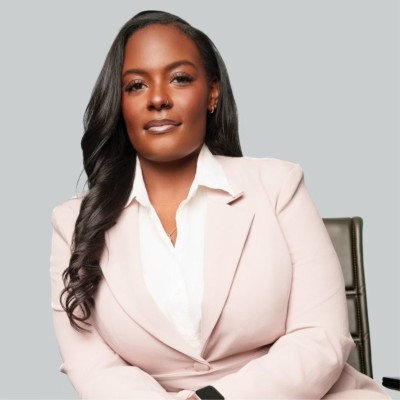
About the Guest, Natalie Foster
Natalie Foster is a personal injury attorney at Bader Law in Atlanta, where she handles serious injury cases involving auto and trucking accidents and premises liability. She also mentors newer lawyers and is involved in the Georgia Association for Women Lawyers and the Georgia Association of Black Women Attorneys.
Connect with Natalie
LinkedIn: https://www.linkedin.com/in/natalie-foster-esq-64232678/
Bader Law: https://baderlaw.com/about/attorneys/natalie-foster/

About the Host, Jason Marsh
Jason Marsh is the founder of Alpha Lawyer™ Media and host of the Alpha Lawyer™ Podcast, exploring what makes law firms and legal careers thrive. A longtime entrepreneur and private equity investor, he brings a curiosity and business owner’s perspective to conversations with accomplished attorneys, law firm leaders, and practice management thought leaders. He has served in leadership within the American Bar Association’s Law Practice Division for over a decade, where he continues to learn from experts shaping practice management and the business of law. Through the podcast, his focus is practical and personal: helping listeners build exceptional practices and rewarding careers that support living their best lives.