
Featuring Seth Bader
Learn what breaks inside a law firm when growth outpaces its systems, and how to rebuild with structure, accountability, and intention. In this episode of the Alpha Lawyer Podcast, Jason Marsh interviews Seth Bader, founder and CEO of Bader Law. Bader shares how awareness marketing and referral partners fueled his firm’s early growth, and why client experience and leadership strained as it scaled. The conversation also covers lessons from a partnership split, installing EOS, managing change, building accountability without micromanagement, and finding the source of lost profitability.
Watch the Episode
0:00 Introduction: From Hustle to Systems
1:20 Welcoming Seth Bader to the Show
3:40 The Habits That Built Bader Law’s Foundation
6:04 Seth’s Why: Giving Injured People a Voice
8:32 Early Growth Through Awareness Marketing
11:30 Why Client Experience Breaks Down at Scale
13:33 Referral Partnerships as a Marketing Channel
18:20 What an Operating System Really Means
21:55 Learning Business Fundamentals Outside of Law School
23:29 The Partnership Split and Its Lessons
29:08 Rebuilding the Firm With More Intention
32:14 Discovering EOS and the Book Traction
34:11 When to Start Installing an Operating System
37:26 How EOS Brought Clarity to Roles and Responsibilities
39:43 The Hard Work of Change Management
44:40 What a Healthier, Accountable Firm Feels Like
48:55 Signs Your Firm’s Systems Are Cracking
51:52 Finding and Fixing Profitability Problems
53:52 Closing Thoughts and Where to Find Seth Bader
Listen to the Episode
Watch or listen on your favorite platform
Key Takeaways
- Build a business operating system before growth forces the issue. Seth Bader explains that an operating system covers how a firm defines success, sets goals, hires and develops people, and measures work. Without one, owners keep solving one problem while creating another.
- Set goals at every level of the firm so accountability is real. Bader says accountability is not micromanagement but setting goals, building strategies to hit them, and course correcting when off track. His firm missed high-level goals because departments and individuals lacked goals of their own.
- Prepare leaders before you need them. Bader explains that founders often promote longtime team players into leadership without giving them training or support. Because the founder cannot influence everyone as the firm grows, leaders have to be developed before the growth arrives.
- Plan and explain change before you roll it out. Bader says change management is the skill he would most like to perfect, because even well-intentioned changes meet resistance. Looking back, he would document a plan, align his leadership team, and explain why each change is being made.
- Treat referrals as a marketing channel and budget for them. Bader explains that referred cases usually arrive prequalified and are higher quality. He suggests treating referral spending like a paid advertising campaign, possibly with a dedicated referral specialist and budget, and judging it by the cases it produces.
If you don’t have a system in place, then you end up just chasing your tail. You’re solving one problem and potentially creating another, and then you solve that problem and then you create another.
Seth Bader
Episode Breakdown
Start With Hard Work and Build Awareness
Seth Bader launched Bader Law in 2008 without a full business plan. He credits the early years to hard work, commitment, consistency, a clear vision, and a willingness to fail forward and learn from mistakes.
His motivation traces back to his time as an insurance defense attorney, when he saw injured people represented by lawyers who treated their cases as transactions. Bader sees an imbalance between injured people and well-resourced insurance companies, and he wants to give those people a voice.
Early growth came from awareness, not paid advertising. With no marketing budget, Bader wrote a large volume of blog and social media content and used an early version of Google Translate to publish much of it in Spanish.
That Spanish content led to two strong referral partners, law firms that did mass marketing and needed a firm that could handle their volume and represent clients in Spanish.
Treat Referrals as a Channel Worth Funding
Nearly 20 years in, Bader has made a full referral strategy one of his major initiatives.
In his practice area, referrals carry no upfront cost, and any payment comes on the back end. More important, referred cases tend to arrive prequalified and of higher quality, whether they come from other lawyers, professionals, clients, friends, family, or employees.
Bader treats every marketing source as a channel, from paid platforms like Google and Meta down to individual campaigns, and argues that referrals deserve the same investment thinking. That can mean a dedicated referral specialist with a budget, judged by the cases it brings in.
Building those relationships no longer depends on lunches and in-person meetings. Bader points out that owners can grow a referral network on LinkedIn by engaging with people and creating content.
Prepare Leaders and Systems Before Growth Arrives
As Bader Law grew, client experience was one of the things that broke down. Bader explains that a passionate founder gives clients exceptional care, but fast growth can push a firm to hire people who do not share that commitment.
When a firm is small, the founder is effectively the system and the culture. Once the firm outgrows the founder’s reach, the only way to scale that standard is through other leaders.
Bader describes promoting longtime team players into leadership without giving them the training, support, and development they needed. His advice is to prepare people and the business before growth shows up, because there is no time once it does.
By an operating system, Bader does not mean software or a CRM. He means how the firm defines success, sets its vision and goals, hires and develops people, and uses data to make sure work gets done on time and done well.
Without that system, a firm hit with a large inventory of work ends up solving one problem while creating another. As Bader notes, nobody tells lawyers they need to work on the business rather than in it.
Learn From Other Owners and Stay Aligned With Partners
Bader learned the business side through books and mastermind groups of law firm owners from around the country. He describes much of his learning as coming from other people’s trial and error.
At one of those meetings in 2015, he first heard about the book Traction and EOS, the Entrepreneurial Operating System. He says the framework is not complicated, but for someone who had never run a business properly, it felt like the answer.
Bader also speaks in general terms about the end of his business partnership. He compares partnership to marriage: two people can agree on the goal of growth and success while defining success, and the path to it, very differently.
His advice is to keep a steady cadence of communication and to speak with real candor. Partners should regularly confirm they agree on the vision, the goals, and how to reach them, so any misalignment surfaces early enough to resolve or to go separate ways.
Set Goals at Every Level to Create Accountability
The firm’s problems did not begin with the split. Client experience had degraded, the employee experience had suffered, and profitability was suffering, so change was needed either way.
The first fix was accountability, which he separates from micromanagement. To him, it means setting goals, building strategies to reach them, and course correcting when the team is off track. The firm had missed lofty high-level goals because departments and individuals lacked goals of their own.
He regrets not investing in EOS in 2015, when hiring an implementer seemed too expensive. The firm used pieces of different systems for years before committing to EOS in 2023.
Bader encourages owners not to wait for a certain size. Even a new firm can hire for values and the right skills, set one-year, three-year, and ten-year goals, and track a few key numbers to build the habit.
The biggest benefit he has seen is clarity about roles. Without clearly defined seats, people end up doing many jobs, responsibilities blur, and no single person is accountable when an area falls short.
Manage Change Deliberately and Watch the Numbers
Bader calls change management the skill he would most like to perfect. Any change meets resistance, and it is hardest when the team believes the firm is working well and the changes affect how people work and the benefits they receive.
Looking back, he would document a clear plan, align his leadership team first, and be more transparent about why each change is being made.
As the changes take hold, he says, the firm feels like it is building something rather than holding things together, and accountability starts to feel like coaching rather than punishment.
For owners who sense cracks, Bader says to take that gut feeling seriously and then check the data, including referrals, case quality, client experience, and Google reviews. A system like EOS helps because it forces a firm to measure results.
On profitability, he points to three main areas of spending: labor, marketing, and overhead. His firm was heavy on labor, so the work became producing the same output with fewer people, which meant difficult decisions about parting with good employees.
Jason Marsh (00:00)
On today's show, Seth Bader, founder and CEO of Bader Law, who grew his Georgia personal injury and workers compensation firm from a startup into a high-volume 150-person organization. We'll be talking about what breaks when growth outpaces your systems and the lessons Seth learned scaling his law firm, from building referral channels and developing leaders, to navigating partnership challenges, improving profitability.
and creating the accountability and operating structure required for sustainable growth.
Seth Bader (00:35)
you don't have a system in place, then you end up just chasing your tail. Just you're solving one problem and potentially creating another, and then you solve that problem and then you create another, but you've never stopped and taken the time to really build out the system that's going to manage all of these.
Jason Marsh (00:53)
Welcome to the Alpha Lawyer podcast, a show dedicated to exploring what makes law firms thrive. I'm your host, Jason Marsh. Join me as I interview some of the smartest thought leaders and accomplished law firm owners in our space. Together, we'll dive deep into law firm operations, marketing, technology, finance, and everything else you need to build an incredible firm that allows you to live your best life.
Jason Marsh (01:20)
Hello, welcome back to the Alpha Lawyer podcast. I'm Jason Marsh and today joining me is Seth Bader. What's up, Seth? Great to have you on.
Seth Bader (01:28)
Jason, glad to be here and thanks so much. How's everything going?
Jason Marsh (01:32)
Going great. And so Seth, today I want to be talking to you about what happens when a firm grows fast, in some cases, maybe too fast. And then what happens and how that affects your operations or your systems, your leadership, culture, accountability, and how sometimes those things can't necessarily keep up with the pace of your growth. And since you live that arc, you've you started Bader Law Firm from scratch. You grew it into a large personal injury and workers comp firm there in Georgia.
But for me, this isn't just a growth story. It's really a story about business operations, leadership, culture, and how those things for you started to break as your firm scaled. You had a partnership split. You ultimately rebuilt your firm with more structure, accountability, and intentionality. So I want to get into the real operator lessons behind starting scaling a firm, where that growth can start to create problems, because it always does. And then importantly the lessons that you learned in building the firm.
the right way operationally so it can sustain the growth because without those things, you can really never have peace, right? So before we get too deep into that, I just want to introduce you to the audience. I'm here with Seth Bader, founder and CEO of Bader Law, again, a Georgia-based personal injury and workers compensation firm. Seth started that firm in 2008 with 5,000 bucks, a bulldog, a computer, and a one-bedroom apartment. He's since grown that into a firm with 150 employees.
Representing more than fifty thousand clients, recovering over two hundred and fifty million dollars. So so those are pretty legit numbers. you bring a real operator perspective on what it takes to start that firm, build it, scale it, and then work through all the operational and leadership challenges. And so I want to get into how you ultimately rebuilt that with more structure and accountability. So Seth, I want to get into all of that, but first let's just go back to the beginning when you were just a startup law firm.
back in eight, when it was just you and your bulldog in that one bedroom apartment. When you look back at those early years, what were some of the key decisions or habits that helped you create that foundation or runway for that initial growth?
Seth Bader (03:40)
Yeah.
I appreciate that. And again, I appreciate you having me and happy to share with you and with your with your audience. yeah, I think let's just start with habits, right? I think the the habits are pretty fundamental, right? Hard work, commitment, consistency and I think those are the habits. I mean I think that when you start a business, and I don't know any other business, I haven't started any other business, but I imagine
that
there's not much different. Frankly, whether you start a business
it really just any kind of new endeavor, it could be your own personal growth plan. like you're gonna have to have a plan and you're gonna have to stick to it and you're gonna have to work hard. you're gonna have to be consistent. So I think when I look back at at that era, if you will, or that time, I started with a dream. I started with a just a general plan. I d didn't have like a full playbook, I didn't have the full business plan. I think I think the a lot of people think you gotta have the full business plan, but the reality
is
you could start with the plan, but things are going to break down to a certain extent and you have to just be willing to work through it and work hard. So I think that when I think of habits, I really think it's it's about hard work. I think you you certainly do have to have a vision, but then you have to just be consistent and show up day in and day out. You have to be prepared to fail and then you have to fail forward and just learn from from those mistakes. Yeah.
Jason Marsh (04:56)
Yeah, I think that that's really interesting, right? I was it Mike Tyson who had the quote, everybody's got a plan until they get punched in the mouth. And I think that that's what entrepreneur you know, again, whether it's a law firm or just n well, which is a business like any other, but it's all the same. Eventually you're gonna hit challenges. And I think this is the stuff I really wanted to talk to you about because you really experienced it. a lot of businesses, right? They start off, maybe they struggle to grow, but you found a way to start growing quickly and then of course growth
immediately identifies all the all the pieces that aren't in place. And as I always say, that's when the wheels start coming off. And then you've got to stop and and think. But what are some of the things that when you started off were working really well early on, but then as you started to grow, were not going to keep working at scale?
Seth Bader (05:41)
Yeah. I think when you start off, I think many and probably most new business owners that they have a passion for what they're doing. There are some people that are just going in it, for the money. And I don't necessarily pass any judgment on on people that are motivated solely by money. I don't think that that's a very sustainable mission, if you will. And I don't think that that's going to to lead to much success.
Jason Marsh (06:04)
So well, let me jump in. I want to ask you, like when you talk about motivation for you, what is your motive what is your why? As people like to say these
Seth Bader (06:11)
Yeah.
Jason Marsh (06:11)
days.
Seth Bader (06:12)
Yeah, so I think the why has evolved, right? I mean I think the original why was impact and very specific. It was to impact the lives of injured people that did really didn't have a voice. having been an insurance defense attorney, and having well having been an insurance defense attorney, I personally witnessed people that weren't really properly represented. I felt like they were represented by a lot of lawyers that
were
doing it for transactional reasons, that weren't really fully invested in building their clients' cases up. And I felt like there was an opportunity. personally, I overcame some challenges growing up with my education, with reading, with other things, and I felt like I needed a voice. So so I think that there was, even though I I'm not sure that I was fully like
aware of it at the time, I think I've come to realize that part of my why and part of why I really enjoy and am passionate about representing people was to give people a voice, people that were injured, people that were suffering. Because even though it wasn't the same, to a certain extent, I suffered throughout my youth with certain things. And so I I needed a champion and I needed an advocate. And so I felt like that doing this line of work is is a way for me to provide that same level
Jason Marsh (07:25)
Yeah, and when it comes to that advocacy, right, and you talk about a single person that's hurt, and right, they
Seth Bader (07:29)
Mm-hmm.
Jason Marsh (07:30)
have basically one chance to get some type of recovery, assuming, that someone else was at fault. But then they're up against this giant corporation that has endless resources. And so is that part of your mission? Because you worked on the other side of the table to really see how these people are treated and how you can then actually help them have that voice and ultimately just be treated
Seth Bader (07:52)
Yeah.
Jason Marsh (07:53)
fairly.
Seth Bader (07:54)
Yeah, I mean, look, I I don't know that I specifically said, like I'm gonna help the David versus the Goliath, but I'm very present and aware that there is a there is a certainly an imbalance. and the insurance companies have just an infinite amount of resources, lawyers, experts. they have and they they've been playing the game for a long time. and they play, my opinion, very unfairly and and really take advantage of
Of very innocent people that are hurt. And so I don't know that is necessarily the why, but I'm very present to that and very aware that people that are injured face tremendous obstacles and challenges, and they need representation that has the courage and the conviction to represent them.
Jason Marsh (08:32)
Yeah, and so so back to what I mentioned earlier, what was the growth like early on? How fast did it start to happen? And what did you find that was working well early on, but then as you grew, did not work
Seth Bader (08:45)
Mm-hmm.
Jason Marsh (08:45)
anymore?
Seth Bader (08:46)
Yeah, so so a few things come to mind. One is around kind of marketing, and then the other is around client success and client experience. early on what worked was something that I didn't understand or appreciate from a marketing standpoint. I'd never really heard this term.
and that is awareness, right? Like, now you hear this that you can I mean, literally on Meta you can run.
Campaigns, some are awareness campaigns, some are lead generation campaigns, etc. I didn't know what awareness was, but what I've come to realize is that just creating awareness for yourself and your brand is a marketing strategy. And so early on, when I didn't have any money to invest in marketing, I was creating content on social media. This was not the kind of content that I or others create today, but I was creating stuff. I was I created a blog that no
and that blog
really was the source of a tremendous amount of business, somewhat unintentionally. I created just this an immense amount of content that I then used Google, I think it was like Google Translate, at version one. It didn't really work very well, but it worked well enough for me to create a lot of content in Spanish. And there were a lot of referral partners that were looking for somebody that could handle cases and represent people in Spanish. And so my break, if you will,
Came content that I created organically that I translated into Spanish that led to two very, very good referral partners. And so I'll just point out that for those people that are starting a business of any kind, if you're wondering how do I market, I would say start by creating awareness. And for it's 2026, so you have the advantage that I really didn't have, which is you have so many platforms with so many people that are there.
there and so you can get a lot of exposure, a lot of reach relatively quickly for almost nothing. but as far as like what was working that later didn't work.
or they broke down as we scaled. I think it was the client experience, right? I think early on you have a very passionate owner for whatever the business is who is going, I don't care what the industry is, more than likely they're gonna be very passionate about their client, their customer in that industry. And so they're gonna give those clients phenomenal experience. As you scale, right, it's harder and harder to provide the same level of care, the same level of attention to detail.
simply because it's just harder and harder to find as many people that share the same values, that share the same commitment to customer experience. Now we've had some phenomenal people and we certainly have an amazing team today, but when you move fast and you grow fast, sometimes you're forced, if you're not careful, you you're forced to hire people that may not share the same level of commitment to the client experience. So it's
Jason Marsh (11:30)
Yeah, that makes sense. I mean, that's that is a common problem you hear from a lot of, founders. Obviously when they're leading aspects of the company, the company starts to grow and then they have to start to delegate. Things are never gonna be at the level of, as you say, like the passion and the level of caring that you're gonna get from the founder. Eventually I think you you do get to that point. In some ways you get people that maybe can do things even better than the founder,
Seth Bader (11:54)
yeah, there's no question. But I think I think one of the challenges is as you scale, right? When you're small, you have a tremendous influence over the culture. You have a tremendous influence over the the quality. you really you are the system for all intents and purposes. You are the culture. And so if you if you're small enough and you have you have people around you that are somewhat aligned, they start to pick up your habits, they start to treat people the same way, they start to work like you, they kind of rise.
To your level. And I think that as you scale, it becomes harder and harder because you, as the founder, cannot influence as many people. And so the only way to really scale that is to have other leaders. And I think what happens is you don't know that. You don't realize that it kind of hits you suddenly that all of a sudden you have all this work, this massive inventory, and you've never really took the time to prepare the leaders around you and to prepare your team to lead
In the way that you were leading them. And it becomes very, very difficult because typically you you're kind of forced, you realize you need leadership, and so your go-to is to promote people that have been phenomenal team players for years with you, but you never really gave them the training and the support and the development they needed to become leaders. You just kind of assume that they're going to know how to do it, and that is a really tough lesson to learn.
early that I've had to learn that I d I wish I had learned sooner and that is you have to be prep you have to prepare your people and your business for the growth before the growth actually appears because when it appears you have to move. Yeah.
Jason Marsh (13:33)
Yeah, it's too late at that point, right? Because now
it's gonna rely on whatever's in place. And if that's not ready to roll, things are gonna break. I want to ask you about just to go back a second, you mentioned your referral partners. And so in terms of creating that growth, you found some really good referral partners as you were trying to build awareness. You talk about that a little bit because I think that is oftentimes, people they think about marketing purely as okay, elite generation to the end customer.
But there's there's potentially a better way. Promote yourself
to other attorneys, or maybe not even attorneys, but that said
what type of peop were these other attorneys or were they other people in the communities you were trying to serve?
Seth Bader (14:12)
I would say both. I mean the the two primary referral partners that I had early on were law firms that did mass marketing and so they were looking for boutique firm owners or firms that could handle their cases or could handle the volume that they were generating. I think it's important. I look I'm I'm almost twenty years in and
One of my big initiatives this quarter is to develop and redevelop a full referral strategy because there may not be a better marketing system. If you can really build out a true referral network.
you you're never gonna have to really pay upfront at least in our industry, you don't have to pay upfront for those referrals. you may pay on the back end, but it's not an out-of-pocket expense. And I think the more important thing is that those cases come qualified or pre-qualified.
Jason Marsh (14:57)
Yeah.
Seth Bader (14:57)
and generally speaking, the quality of those cases is much higher. And that's true whether they come from professionals, other lawyers, whether that comes from clients, friends, family, employees. It doesn't really
matter. I I think I'm re-doubling back down on on referrals because I think it's such a phenomenal channel. you really have to think of you you don't think of this early on, but really
every marketing source in a way represents a channel. That's kind of how I think about it. And so you might have digital marketing, could be an overall channel, but then within that, there's paid digital marketing. There's paid meta, there's paid Twitter, there's paid Instagram, there's paid Google, like YouTube. But then each one of those and then within that you can break that down to specific campaigns. But don't lose sight of the fact that referrals
are a channel and it's and you have to really in my opinion you have to think about the investment the same exact way you do into your paid advertising campaign so you might make an investment of $100,000 $200,000 a year maybe you have a referral specialist maybe you give him or her a monthly budget of $5,000 a month right now you're at if $100,000 six five thousand a month you're at $160,000 a year tax
benefits it's a car you're at $200,000. When my business, if I can get 100 cases, if I can get 50 cases for that $200,000, it's probably a good investment. And so I would just say don't sleep on referrals as a marketing strategy and as a marketing plan. And again, unlike
Two thousand and eight when when I started, which is not that long ago, but it's long enough. Like back then it was sort of like you have to network, you have to take people to lunches and you gotta meet with people. the truth is a lot of people don't have time for that and you don't have the time, you don't have the money, but you can get on LinkedIn, you can engage with people, you can create content and you can sort of build a network that way. So again, don't sleep on referrals.
Jason Marsh (16:58)
Yeah, that's great advice, really. and oftentimes a as a broader strategy, it it's one that comes way later. I think for some attorneys just starting out that have no money, well, maybe that's immediately where they go and they're going to events and trying to network. And I think what you're saying is you can do all those things, go to lunches, et cetera. But there's also an opportunity with the various, advertising platforms to reach a wider audience that maybe isn't even just lawyers, but start l just build no like and trust.
And then eventually maybe they try out, send a case, and then it just goes from there. So in terms of talking about growth, right? any entrepreneur knows, you grow and as you do that, stuff starts to break and expose the weaknesses, right? that we've been talking about, whether that's leadership, often systems and processes, or, certainly could be other things like culture and accountability. But but for you, you talked about leadership.
what were some of the other problems that you found you ran into? Like, hey, business is booming. We're just getting a lot of new business here, but we're you mentioned we're struggling with just client service and client success. What were some of the other things operationally? Was it was it things like just actually do getting the work done? Right? 'Cause I think all of the things that we talked about before that the founder does and eventually has to delegate and let other people take over, those things initially can suffer.
So what were some of the other things that you saw and had to ultimately fix and address?
Seth Bader (18:20)
Yeah, I think I mentioned leadership. I think when you scale fast or grow fast, if you're not prepared, your leadership is gonna be you're gonna have some constraints because of your leadership. And I think part of that again is your leaders that you promote oftentimes are not prepared. And you as the owner really are accountable for that. I mean that's your responsibility. And nobody unfortunately nobody tells you that, right? Like you're a lawyer or whatever you may be doing. In my case, I'm a lawyer. I'm doing the work I'm doing.
The work it never kind of occurred to me that it's my responsibility to train and develop my future leaders or to develop a plan to have a strong leadership team. I think also oftentimes you don't have a system. As starting with your leadership and how you run and operate the business, I think normally
Start the business, you yourself are in the business. there's a distinction that some people make between working in the business and working on the business. And nobody ever there's not like a time where somebody ever says to you, Hey, you have to start working on the business to have a really good business. And so you you so I think what breaks is is you don't build the system, the operating system to operate your business. And and so if you grow really, really fast, you don't
Have
that system in place, and that system impacts literally the entire business because it is it is the business, right? I mean, when I say the operating system, I'm not talking about your your computer operating system or your CRM, though that that's a decision that's part of your system. I'm talking about
How do you measure success? what is success look like for you? What is your vision? What is your what are your goals? who are the people that you're gonna hire and and and how are you gonna develop them? This is part of the operating system. What is the data you're gonna measure and that you're gonna capture throughout your business? How are you gonna use that data to ensure that the work is getting done in a timely manner, that it's getting done optimally?
and that where it's not getting done, you're you're taking steps to fix that and to support your team. And those are examples of what I mean about the operating system. And again, nobody really tells you that you need to have that in place. and you don't really know because you yourself, in most cases, haven't really learned that it's not what you went to school for. And so, what can happen is you're building this business, you're investing all this time and money and in your
Referrals and in your marketing and your advertising, and now you're hit with this blessing that is this massive inventory of work.
And then you're like, shit, excuse me. like what do I need to do about it? And if
you don't have a system in place, then you end up just chasing your tail. Just you're solving one problem and potentially creating another, and then you solve that problem and then you create another, but you've never stopped and taken the time to really build out the system that's going to manage all of these.
problems or you might call
Jason Marsh (21:14)
Yeah.
Seth Bader (21:14)
opportunities in solving these issues because one thing is true is that there's always going to be new challenges that you're gonna have to solve and if you don't have a system designed to solve them and improve, then you just have a big old mess on your hand.
Jason Marsh (21:28)
So
so I want to get into that a little in in in a minute. We'll talk about EOS and some of the systems you did put in place to start to organize. But I'm curious about a couple of things. One, right, you mentioned you go to law school, nobody's teaching you how to run a practice or a business. How did you learn these things? how did you know, hey, I gotta go figure out, I need to train these leaders, these future leaders? where did you go? Was it books? Was it a community? Was it,
all of the above, but how did you
Seth Bader (21:55)
Yeah.
Jason Marsh (21:55)
start to go? I need to shift from being just the the lawyer who's practicing the substance of law to somebody who needs to start to focus on the actual business itself.
Seth Bader (22:05)
Yeah, I mean first I'm curious learner, so I sought out
Books
and content and other things. beyond that, I joined some mastermind groups, which it sounded really like woo-woo and weird at the time, but like it's really just a group of like-minded business owners and people that are experiencing or have experienced the challenges that I was experiencing. And so to be in a room surrounded by other law firm owners from around the country,
was invaluable because I could hear what they were i it it provided a lot of inspiration. it provided a lot of information that I was able to to use to my advantage. And so I was in a room with everybody had different ideas. Everybody had different things that they were doing that were working, that were not working. and in the process, I know
talk a little bit about the EOS operating system but that's where I learned about EOS in 2015. somebody mentioned the book Traction and and when I read the book
It really was it like looking back, it doesn't seem overly complicated, and it's not. But for somebody who has never read it, who has never run a business properly, it feels like it's the answer. Like it feels like this is the secret that I wish somebody had told me sooner. but that's how, a lot of what I I've learned is through trial and error, but a lot of what I've learned is through other people's trial and error.
and and I think that's the benefit of a mastermind group.
Jason Marsh (23:29)
Yeah, I mean and those things are are everywhere now. and of course, I'm involved with many different types for different things. But but as you're saying, the great thing is you're learning from other people, you're learning from other law firm owners that are just in different places, right? You're not nobody's all in the exact place. Maybe you're in the same, but people have gone through the thing you're trying to figure out and they can say this this is how we solve this problem. But one of the big parts of your experience that I want to talk a little bit about.
is you went through a big partnership split. And that caused you to have to start to really rethink the firm from there. And so I don't want to get into anything too sensitive, but just in general, what happened and what did that experience teach you about partnership, alignment of vision, and then of course the leadership inside of a growing law firm. what can you share about that?
Seth Bader (24:18)
Yeah, I think partnership, whether it's your personal, marriage or whether it's your business, I think partnership is a very, very can be very challenging even in the best of circumstances. I think anybody who's married or who's been in a business partnership can appreciate what I just said, right? So even even in the best of times, partnership is I think hard because you're talking about taking two different people with two different
Mindsets, two different approaches, two different philosophies on life, on business, on love, whatever it may be. And you're trying to kind of join them together in a way that is compatible and where one plus one can now equal three, right? And sometimes one plus one equals zero or negative, right? So I think and unfortunately, you just you really just don't know when you get into the relationship. Of course, when you get into that relationship, again, whether it's personal or professional, you go into it, with this.
like
enthusiasm and excitement otherwise you you should anyway right some people some people maybe don't but like you want to go into it with really a positive belief that this is going to again one plus one is going to equal three or more in generally speaking I mean I guess I can speak for from my own experience right I mean there was a certain alignment around like the goal right the goal was success right the goal was growth the goal was whatever it may be but
That's why you also get married too, right? You get married because you want love. Again, most people, right? So but how you define love, how you define success, what you want that journey to look like.
Jason Marsh (25:40)
Yeah. And how you achieve it specifically.
Seth Bader (25:42)
And how you achieve it and how you how you define it and how you achieve it often are very, very different and you don't realize that until you're kind of like in the marriage, so to speak. And I think that over time you you come to realize or you might come to realize that the alignment that you need isn't there. So you might align on certain things, you might align on outcomes, but you may not align on how
achieve that or what that outcome, what like the definition of what success looks like. So I mean I would just say that partnership can be great. There certainly were components of it that were positive. but it's like anything and you have to and have to put in the work, right? I think that you certainly have to put in the work into the partnership or into the marriage to make it a success.
Jason Marsh (26:25)
And so in terms of looking back, right, a lot of times, yeah, when it comes to partnership, people use marriage, right, as an example. It's relationship. You have to work on it, you build on it. but a marriage often leading up to it is you spend several years dating and engaged and ultimately get married. And not that any of that makes a guarantee of success, but I think it helps. is there at least looking back, things maybe you would have tried to
Like I don't know exactly what the scenario was, but things maybe you would have done a little differently, spend a little more time getting to know this person, just making sure you were aligned, or is it more like I did all that? And it's not until you're deep into the business and the challenges start to come and the stress start to go up that we found misalignment there.
Seth Bader (27:05)
you asked me. in the log we would call it a compound question. So you asked me a lot there. look I think
Jason Marsh (27:09)
I have a habit of that.
Seth Bader (27:12)
what I think is true is that I mentioned that in any in any partnership in marriage, you got you gotta work at it. And I think one bit of advice that I would give others based on my own experience is you really have to maintain
a certain amount and consistency and cadence of communication, because it people get busy being busy and you get just busy focusing on so many things. And I think it's really, really important to maintain a certain amount of consistent communication. But I also think it's really important to to be communicate with a high degree of candor. and because I think if you don't
and you like withhold information, if you withhold what you're thinking, if you withhold what you're feeling, you don't really give yourself or your partner an opportunity to solve problems, if that makes sense. So
I think
Jason Marsh (27:58)
Yeah, it does. I think again,
like a marriage, any relationship, if you're not being fully up front, you're kind of withholding things, you might be building up some type of resentment in the background because you're not being completely honest about how you feel or things that need to change. And and is that, you know, s is that how you would look at it?
Seth Bader (28:17)
I mean I yeah, I mean I I again I just just generally speaking, I think that that type of communication is really, really critical. I think the other thing I think is really important is is is goal setting in and vision casting. And I think that it's really, really important to always be clear, are we are we aligned on the vision? Are we aligned
on the goals and are we aligned on how we're going to get there. and I think if you can if you can have that type of communication on those topics and you can be open and honest with each other, you might see that there is a misalignment and it may be something that's correctable. It may not be, but at least but at least you'll know, right? And and at least you and your partner can make the appropriate decisions if and when you realize that there is that misalignment
Alignment either to try to reconcile and resolve that, or to maybe go in a different direction.
Jason Marsh (29:08)
So after the split, you decided you wanted to rebuild the firm with a smaller, percentage of the team and really make some hard decisions about what kind of firm you actually wanted going forward. And I think this is really interesting because it's almost like a do-over in business. Now you have all the hindsight of what you've learned. So what were some of the biggest things you changed when you moved from this sort of rapid growth mode? things starting to break, issues with the partner to saying, I want to rebuild
with more intention. What did that look like and and what were some of the big things that you changed from the first go around to that?
Seth Bader (29:42)
Well it wasn't really like the split, if you will, like the ending of the partnership was not the beginning of the changes or the transitions. the reality is that there was a lot within the organization that simply wasn't functioning properly. It was not functioning optimally, it wasn't functioning properly, the client experience was degraded, the employee experience to a certain extent was somewhat degraded, the
profitability the firm was really suffering. I think that independent or regardless of the partnership, things needed to change. So like in your business, they are going now 18, 20 years, close to 20 years in.
I gotta believe that my business, like any others, goes through has gone through some real challenges. Again, having kinda like regardless putting partnership aside, and I think that there were some real critical things that needed to be changed for the business to grow, to scale and to thrive.
Jason Marsh (30:33)
And what were those things?
Seth Bader (30:35)
yeah, well, I think first and foremost
was accountability, right? I think that we had grown in a way where there really wasn't true accountability. And I'm not talking about micromanagement. I'm talking about setting goals and and developing strategies to achieve those goals and achieving those goals and when you're off track to course correct and find solutions to hit those goals.
I think that was a very significant piece of the puzzle of of the system that was missing. And I think that when when you don't have clear goals for the for the organization, you don't have clear goals for your departments and your in and your team members, it's very, very hard to hit those goals, right? Like how do you hit goals that you don't know exist? and how do you develop systems to achieve those goals and how do you course correct if you right? So I think that
There were often very sort of lofty high level goals, but then we wouldn't achieve them. And and when I looked at why, it was because I don't think we had like the proper departmental and individual goals that were necessary to achieve the higher level the higher level goals. So I think that's
that's one of the one of the main areas is accountability.
Jason Marsh (31:44)
Yeah, so so let's talk about that because it sounds like a big part of your evolution was implementing EOS, right? that's the for people who don't know, that's the entrepreneurial operating system. It's a business operating system. There's other ones out there, but this is the one created by Gino Rickman. You mentioned the book Traction earlier. You can read about that to learn more, as it sounded like it really opened your eyes. But what about that helped you create the structure, the accountability, the values?
driven aspect of the organization that you didn't previously had.
Seth Bader (32:14)
Yeah, so you're talking about like EOS specifically?
Jason Marsh (32:16)
yeah, let's yeah, let's just talk about, how that implementing that. actually like what made you go down the road of EOS? You read the book and was it immediately like, hey, I need to implement this? Did you hire a consultant? I know I'm asking more compounded questions.
Seth Bader (32:29)
That's fine. look in t I told you in two thousand fifteen I went off to a to a mastermind meeting and a friend of mine from Seattle mentioned that a now friend of mine mentioned that he had read this book and it was really eye opening and it really
change the way he viewed his business and how he was going to operate the business. And so I read the book and I was like again it it provided for me an integrated sort of business system. It's not magic. It's not the only system. It's just a framework, but nevertheless it is a framework that is very, very intentional and is very integrated. And so I should have made the investment back in 2015 before the firm had really, really started to to grow.
And I didn't because at the time hiring an EOS implementer was what I thought was cost prohibitive at twenty thousand, which looking back was a bargain. I mean it might as well have been free, right? for what it could do for you. but I didn't make that investment and then when I
Created the partnership, we just kind of like implemented different pieces of different systems, but never had one really intentionally thoughtfully designed system that kind of addressed all aspects of the business. And then 2021, I mentioned at the time that we should probably install this kind of some kind of system, whether it's EOS, scaling up, or some other one. Those were the two that I was familiar with.
and then that didn't happen. And then in two thousand and twenty three, I did some more research and was working with somebody at the time and I just came to the conclusion that's was a system that we could install that would be the I don't say the easiest, but would be a system that we could install into the organization and that could kind of like resolve a lot of the pain points that we were experiencing. because it had Yeah, go ahead.
Jason Marsh (34:11)
So yeah,
I was gonna say 'cause there's a lot of things you mentioned that I wanna touch on, but firstly, like what do you think is looking back the right point that a firm should start looking at or considering EOS or a similar business operating system, like maybe by number of employees or revenue. Obviously not gonna do it as a solo, but at a certain point, where where do you think that place where you really need to start saying, Hey, it might cost a bunch of money, what seems like a lot at the time.
Seth Bader (34:41)
Yeah, I look I personally I think if you have the time and the bandwidth to learn a system like EOS or another system, right?
Then I would say you should try to install parts of it as early as you can. Right? We this is not it's not doesn't like the good news is as a small business you don't really have to worry about the people component because you're not really hiring many people, if any. But if you just understand the general philosophy of right person, right seat, hiring the right person who aligns with your values and has the right skill set and aligns with this the position or the seat that they're filling.
Right? If you just understand that philosophy and you and you hire to your values and you hire for the skill for the position, then you can start early on and you can maybe get it right before you have to like really figure it out. a key concept is just having a vision and and a mission statement, right? So like having setting a goal, what is your what is your one-year goal? What is your three-year goal? What is your ten-year, like hairy, audacious big they call it like a big
Harry Audacious Goal, like I don't think there's anything wrong with that. That can evolve over time. So I would argue to anyone that's starting a business: if you if you can spend a couple of hours to learn the most basic, the fundamentals of a system like EOS, cast your one-year, three-year, ten-year vision, right?
that would be a start. Figure out like these are the three data points. Like even if it's just three data points that you want to measure yourself on, measure yourself just so you can kind of begin building the habit.
I'm reluctant and hesitant to say you should wait until a certain period of time because I actually think you can learn the fundamentals and at least install some of the foundational pieces of a system like that that can really set you up for success as you grow.
Jason Marsh (36:34)
I really appreciate what you're saying here because yes, I've heard other people over the years talking about EOS in the right time. not until you're at, seven employees or a million dollars in revenue or something like that. But I think what you're saying is forget all that. Just go get the book, learn the idea, the concept, and just start to implement a little bit of the framework little by little as it makes sense for you, just so you start to understand it. As you say, you build the habit, you understand that the importance of it in your in your practice
And then, you can go and hire the full EOS implementer, consultant, maybe when you have a bigger team and you need to do that, you need to have a consultant at that point. but yeah, I think that's that's a really interesting way to look at it. and yeah, I appreciate hearing that. And so so for you, as you started to implement EOS in a more meaningful way across the firm where you had a little bit more of a team at that point, where where did it make the biggest impact?
Initially for you.
Seth Bader (37:26)
I think where it makes the biggest impact it helps to provide clarity about what you're supposed to be doing. I'm not saying it provides clarity, I said it helps to provide clarity. I think what happens is you grow a business
without clearly defined seats or what we what they call seats or positions or roles is that you end up, you and those around you unknowingly end up straddling many, many fences and doing many, many jobs. And you don't realize it until much later, but it becomes extremely taxing emotionally, it becomes like physically, intellectually, it's a lot and it can really stretch you thin.
But then as you grow, it can also be really, really, it can be very, very damaging to the business because there's not clear like sort of like swim lanes of this is what I'm supposed to do. And so so things like responsibilities end up shifting. And I don't know, Jason, that you're gonna do this, you think I'm gonna do that, I think somebody else is gonna do that. And so I think that and it also I think the other thing related to this is going back to accountability, right?
If things aren't working in a certain area, who is accountable? Who is that one individual, that directly responsible individual who is failing to get the job done? Right? And and what does he or she need to do to solve it? Well, if you don't really know who's doing what
what is expected of them, then you're just all looking at each other like everybody's like pointing fingers at each other, nobody, and consequently it's very, very hard to solve problems. So I think I think one of the biggest biggest benefits to a system like an EOS, especially once you've grown, is that it can and should provide a much greater level of clarity of who is responsible for what.
Jason Marsh (39:12)
Yeah, I think you made a really good point there, especially as you're growing, people are wearing a whole bunch of different hats, nobody knows exactly who's responsible for what. And that gets very taxing on the team. People like to know what they're responsible for and then of course take pride in it. When you introduced, know, EOS, was there any resistance to it at first? Because I've heard the stories like, this just more thing we have to do, but how eventually the team is very happy with it because it it fixes a lot of the things you were just talking about.
roles, responsibilities, there's clarity, all of that stuff.
Seth Bader (39:43)
I
I think first all this is not an EOS thing. I think when you make dramatic changes to your when make any changes, any dramatic or not, even if they're the most well intentioned changes and even if they're the most brilliant changes,
you're gonna be met with some resistance. You're gonna be met with some people are not gonna like it. so I just wanna I wanna point out that my answer to your question isn't really an answer to your question about EOS. It's really a a question about change. And I think that and I'll I'll
answer your question directly if you want me to, but I think one of the biggest things you learn as a business owner and that I don't know that you ever really can perfect, but you can only get better at it is change management. And I think you don't always think about
The change has changed. You as a business owner are just thinking, okay, we're gonna improve something, we're gonna add this and we're gonna do that, and it's gonna make everything great. But what you don't realize is that the impact that's gonna have on so many other people. And you might think about the impact that it has on this group of people, not realizing that change also is gonna impact different layers in in different individuals. And so I think that learning change management is
is something that I I think all business owners like if like when I think back, and even as I sit here today, if there was sort of like
of all the many things that I could learn as a as a business owner and as a leader and like if I could perfect it would be change management because the reality, particularly as a visionary, who's coming up with lots of ideas, many of them bad, but hopefully some of them brilliant, right? Like, is that you're going to you're gonna it's gonna require change. and in order to not only survive but to thrive as a business owner, you've got to adapt
You have to evolve and you have to change. But not all of your employees understand or appreciate that. So I think that learning that and then building a culture that that actually embraces change and embraces innovation is something that is again, it's easy to say to do it. If I was a consultant, I would, be preaching about how you need to do this and how and how to actually do this. But the actual
management of change is really challenging. So but it's a really important skill to learn.
Jason Marsh (41:53)
Yeah, I'm glad you brought it up because that is a thing, whether it's, implementing EOS or doing anything else within the business. And and as I've seen, just in in my own experience, if you're trying to make change and do that, it's important to be mindful that these people already have a whole bunch of responsibilities. So whatever you're asking them to change requires them to spend time learning and and just to be mindful of that overhead that that they now have to account for and and try to be aware of that.
was there any point at which you could looking back and again this probably is around the change management, but where you were like, Man, this implementation of, this op business operating system's getting really difficult here and kind of maybe what you learned and how to smooth that process out a little bit.
Seth Bader (42:35)
I can't say that there was one specific time. I mean I think when you are making the kind of changes that we've made to our organization over the last two and a half years, you're gonna experience a lot of a lot of moments where there's gonna be a certain, kind of a lot of pain, as a just general concept for me as a business owner, for leaders and for team members because change is really, really hard and
particularly when you're making pretty radical changes, it's even harder. and I think that I don't wish that upon anybody. If you have to take a business that looks like it's functioning at a high level, but actually isn't, and then you and then you have to like explain to your team that you're making changes, there's there's a certain like confusion because there is the belief that things were actually functioning.
And now all of a
Jason Marsh (43:21)
Interesting.
Seth Bader (43:22)
sudden, and now all of a sudden you're making some pretty radical changes. And it's very hard to explain why, because it's not an easy thing to do to come and tell people, hey, I know you you were thinking everything was working, but it wasn't, and it isn't. So we have to make some changes. and by the way, that's going to impact your the way we work, that's going to impact the benefits you get, so on and so forth. So it's again, change management is hard, change management is harder when you are making even more significant.
changes and it's even harder, I think, in the middle of maybe building or adding new leaders to the team because they're coming into a new experience.
with people that have been part of an older experience. And so yeah, I mean we don't have another hour or two for
Jason Marsh (44:06)
Yeah.
Seth Bader (44:06)
me to go into but I would just say that you have to be very intentional very thoughtful if I look back on how I might have handled the change differently it it would have been to really take the time to really develop and document a plan make sure that I have the right
clarity and alignment with the leadership team and I do think that more transparency is better. you just have to be you have to be thoughtful in what you share and how you share it. But I think that people will respond well to change if they understand why the change is being made and why the change is good for them.
Jason Marsh (44:40)
And so the process is a challenge, but let's talk about the other side of that. When you come out of it and things are a lot better, what did that look like? And more importantly, what did that feel like for you and for the team in terms of, yeah, their day to day work and, responsibilities and the accountability that you mentioned? How how did that all feel for everyone?
Seth Bader (45:00)
Well,
I mean look, I think we're still going through change, so I don't want to act as if, we've we've reached the pinnacle and everything is perfect. I I think though I think what it feels like is it starts to feel it just starts a lot of the negativity I have a friend that provides ghostwriting services for LinkedIn and I'm like, what are you really
I'm gonna come back to your point. Like, what are you really selling? And obviously he's selling really good quality writing and good engagement, but it's really good vibes, right? And it's kind of like hard to hard to really quantify. I think when when your business is functioning in a in a really healthy manner, it's like you just get good vibes. Like it just feels it feels good. It doesn't feel like you're always having to
resolve a problem, it feels like you're developing and building something great. And I think it just feels, it feels good when you get to the other side of it because again you're still solving problems. There are still issues. That's just life. That's just business.
But I think the difference is it feels like you're building something great. It doesn't feel like you're trying to hold things together. And I think that is what it feels like when you when you have a healthy organization that is growth oriented and is scaling.
Jason Marsh (46:08)
and then how does that affect now the broader culture of the firm, right? in terms of where people are now accountable. And but of course you're trying to make sure that the firm still feels human, right? you have all these systems and processes, but does it help with that?
Seth Bader (46:22)
I think so. I mean I think when you when you have a healthier organization with the right people in the right seats and they understand that you have goals and you have expectations, then I think people don't feel like they they feel like that accountability is a good thing, it's a healthy thing, it's actually in their best interest, it's in the firm's best interest, it's in the client's best interest, and so I think that is the the perspective versus thinking
that they're just being micromanaged or that they're being that their integrity or their work product quality is being questioned. it feels again like it's feels more I should feel I hope more like a coach that wants you to win and succeed than somebody who's just beating you down and punishing you.
Jason Marsh (47:08)
Yeah, that that's really a a great way to frame it. Because, I've heard this saying, from different people over the years, but the idea that a company or a law firm, it obviously it's a vehicle for you and the owner's goals, but it should also be for the team's goals. otherwise you said people are just, working inside your dream instead of towards something that maybe also matters to them.
for you, is there a way that you're able to make sure that the people that are on your team and their goals and dreams also fit within your broader vision?
Seth Bader (47:37)
Yeah, I look I think that that is ultimately that that is that is as a business owner is kind of a a dream, right? I mean, if there's a way to align the firm's goals, my goals and their goals so that we're all winning, then that is I don't think you could have a better business.
Because now we're literally and figuratively rowing in the same direction and hopefully all achieving our goals. obviously, certainly different levels of risk that each one of us is taking, different levels of investment, different levels of responsibility in the in the form of leaders, the form of some lawyers. But I mean the goal would hopefully be for all of us twin together for sure.
Jason Marsh (48:12)
Yeah, I think that that's an incredible lesson. Yeah. And if you can make that a reality, I think that's really where the magic happens for, law firms or for any business or entrepreneur. And, as you're saying, it's it's not easy to get there, but it is doable, with some focus. But I want to start to try to bring all of this together, what we've been talking about here. It's not just right about growing a firm, but it's about figuring out, what the growth is gonna require structurally, but also personally from you
and how to build the team to be able to handle it. But but for another law firm owner that's listening now and they're growing, maybe they're getting to a point where you are, maybe they're just going, going, going. And maybe like, are there signs that things are cracking and where they see that. And then what should they start to do about it?
Seth Bader (48:55)
I think you as a business owner, there's objective and then there's some subjective evidence that you can lean on to know that things are not where they should be. and I think if you care about your business, and I trust that that whoever I'm talking to cares, whoever's in that position cares.
that there are signs, there are signals that things aren't right. You can feel it, you can see it, you can smell it, like it's there. and what I would say is don't ignore that. Like don't ignore your gut because there's some truth to it. Now, I'm not saying you should lean all the way in and rely on it because if you're not careful, you're going to rely on some emotion and maybe and not the facts. I was just talking to my marketing agency and I said, Hey, and she said, How are things going? And I said, Look.
But I I have been around long enough to know that there's fact and then there's feelings. and right now I said admittedly I'm not looking at the data to to make a factual resp or to give you a factual response. So this is based on feeling. and you gotta be very, very careful. So I I say
don't rely solely on feelings, but do rely on your gut. They're not inconsistent, right?
Jason Marsh (49:57)
Right.
Seth Bader (49:57)
And and I would say if your gut is telling you something is wrong, something is cracking, at a minimum, take the time to explore that, to investigate it, because there's probably a good chance that there's some truth to that. and you know your business just like your baby better than anybody else. And so lean into that gut.
beyond that, I mean, just look at the numbers, right? I mean, you can see, I mean, data matters. Track your numbers. Run your business, run your law firm like a business. Look at the numbers. Look and see, are your cases, are your referrals down? are your is a case quality down? Is the work product, is the client experience down? I mean, look at your Google reviews, be intentional about getting those reviews. And if you're starting to see that there are some, some some negative negative
feedback,
like take it seriously. It doesn't mean it's always right, but take the time to investigate. Again, one of the things I I really appreciate about a system like EOS is that it forces you to measure things. And I think that if you're not measuring things, it's very, very difficult to really make, objective fact-based decisions. And then you really are only going to make feelings, feeling based decisions. And and that
can really lead you astray. So lean into your gut but don't rely on it exclusively.
Jason Marsh (51:07)
Yeah, and and and what you pointed out, because I think there's a lot of firms and certainly a lot of small business owners that are not looking at the data ever. They don't know. I mean, you mentioned profitability. you also mentioned, can maybe conversion rate or number of leads, that those unit level metrics, which people aren't getting into. But so like one very clear data point is profitability.
What did you find when you explore that a little bit, when your profitability was down or struggling? what was that attributed to and how did you fix that? as we're wrapping up here. cause to me that is the data point. Every other number in your firm gets to that, right? Revenue, that's a vanity metric. Everything in between that number and profit, important, but the profit has to be there. Otherwise, what are you doing?
Seth Bader (51:52)
Yeah,
I look I I think that when once you once you have your data then you can if you if you have enough data you can dig in a little bit further. So, obviously there there's only so many levers you can pull, there's only so many investments that you're making, right? You're making pretty much your investments are into your people, your invest or your labor, your investments are into your marketing and advertising, your investments are into your I guess your
say you're like property but like your overhead your infrastructure right those are really like the three big ones and I think you can look at those and ask yourself where where am I inefficient and I think if you understand the appropriate healthy ratios for each one of those then you can start to see where you're losing profit in our case were very very heavy on our labor so we were able to so it's very easy to say it's very easy but if you if you if you spend
Enough money advertising, and if you have enough inventory, and then if you pay enough people to produce, it's very, very easy to generate a lot of revenue and announce to the world how much revenue you're generating. It's it's much harder to do that at scale and to do it efficiently and in a healthy manner, or you maintain your healthy profit margin. and so I think what we have to do was to really assess.
Really, our labor first and figure out ways that we could generate the same amount of production and throughput, but doing it with less labor. and I think that is very, very challenging, especially when you built a a big machine that relies on a lot of people, because that means making some very, very tough
decisions and it's very, hard. It can be very difficult to separate with really good people, especially if they're really good workers. And if they're nice people, you don't want to do that. But at the same time you have an obligation and responsibility to the organization and to the really to your to your clients to so that you can have a a good thriving healthy organization to make some really tough decisions. And it's not something that I wish upon other other business owners. But it's it's hard. And then you know business
Jason Marsh (53:52)
Yeah, I think that that's a great spot to to to wrap it up on. So I'm here with Seth Bader, again, founder and CEO of Bader Law. We've been talking about what happens when a law firm scales quickly, what can break along the way, and how to build the firm with structure, accountability, and ultimately intention. You can find Seth at baderlaw.com. I've got his a couple different LinkedIn profiles, which I'll drop into the show notes. I'll put all of this stuff in the show notes.
But you can always visit Bader Law to learn more about Seth and his team and connect with Seth on LinkedIn. Seth, anything else you wanna add before we sign off here today? It's been a really, really interesting conversation. Thank you.
Seth Bader (54:31)
Yeah,
good. No, I've I've I've enjoyed speaking with you and I'm always
eager to learn from others and to share with others. So if anybody ever wanted to reach out, I'm more than happy to to provide some additional insights, to share ideas that might be helpful. And you can reach out to me anytime. Again, you shared and will share the rest of my contact information and look forward to connecting with anybody who is growth oriented and wants to build something great.
Jason Marsh (54:57)
Yeah, for sure. I'll make sure all the contact info is in the show notes and various descriptions and stuff. But thank you, Seth. I really appreciate you taking the time with me today. I know you're a busy guy. Seth Bader, everybody, that's gonna be it for today. We've got some cool new shows coming up. So stay tuned. Just check it out. And we will see you next time.
Jason Marsh (55:13)
Thanks for listening to the Alpha Lawyer podcast. I'm your host, Jason Marsh, and I appreciate you joining us today. If you enjoyed this episode, please subscribe, leave a review, and share it with other lawyers who might benefit. You can find more resources and insights on building a thriving law firm at alphalawyer.io or the Alpha Lawyer YouTube channel. Until next time, keep building the firm of your dreams so you can live your best life.
Frequently Asked Questions
When should a law firm start using a business operating system like EOS?
A law firm can start applying the basics of a system like EOS right away, according to Seth Bader, founder and CEO of Bader Law. He advises against waiting for a certain size and suggests hiring for values, setting one-year, three-year, and ten-year goals, and tracking a few key numbers early.
How can a law firm build a referral network that brings in cases?
A law firm can build a referral network by funding it like any other marketing channel, according to Seth Bader of Bader Law. He points out that referred cases usually come in already vetted and tend to be better cases, and that owners can now build these relationships on LinkedIn through engagement and content.
How do you hold law firm staff accountable without micromanaging them?
Accountability without micromanagement comes from clear goals and clear ownership, not from watching people more closely. Seth Bader describes it as tying firm goals to department and individual goals, defining who owns each role, and correcting course when results slip, so it can feel more like coaching than punishment.
What are the warning signs that a growing law firm is breaking down?
Warning signs include fewer cases or referrals, lower case quality, a weaker client experience, and negative feedback in Google reviews. Seth Bader advises owners to take a gut sense that something is wrong seriously, then confirm it with data, because decisions based only on feelings can lead a firm astray.
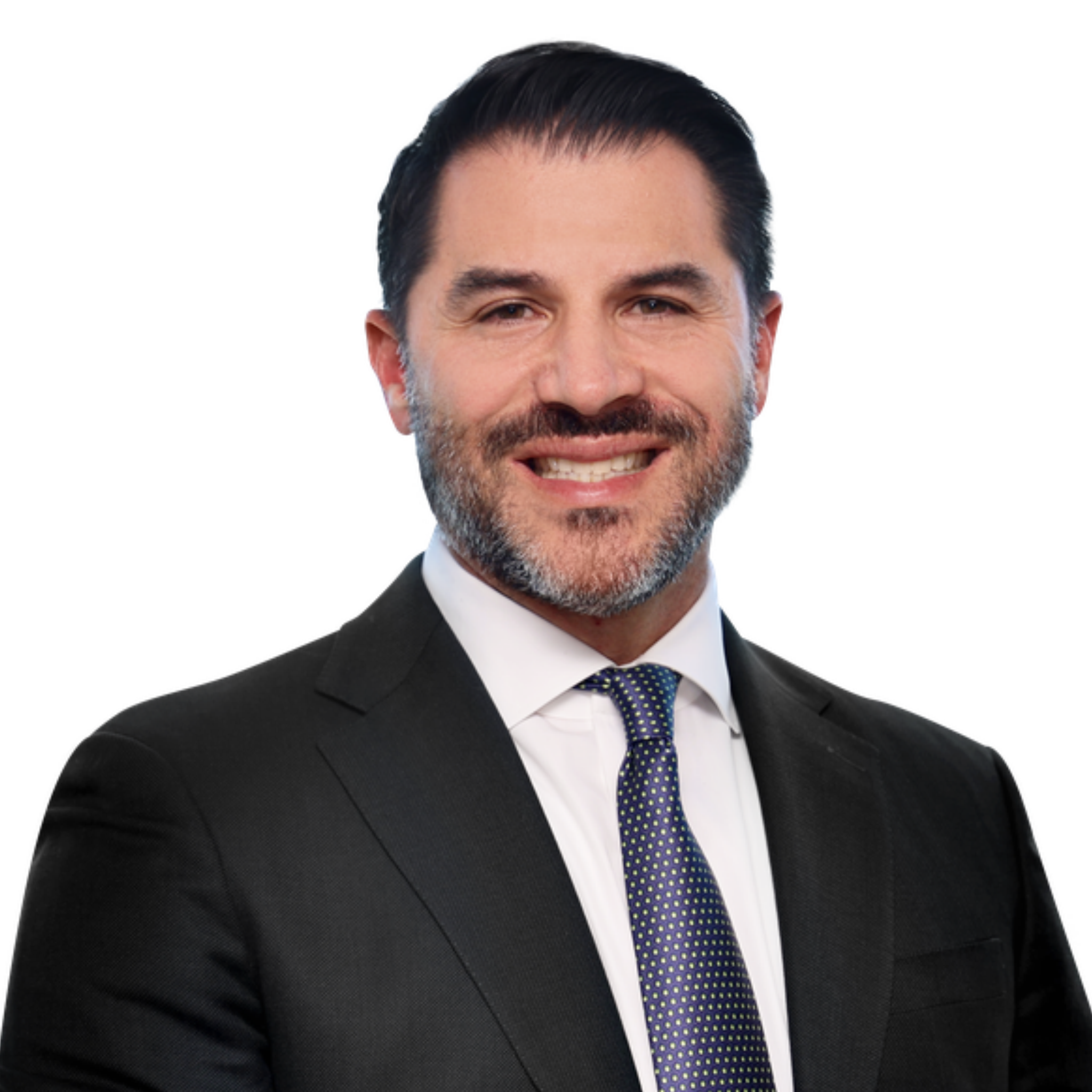
About the Guest, Seth Bader
Seth Bader is the founder and CEO of Bader Law, a Georgia personal injury and workers’ compensation firm he started in 2008. A former insurance defense attorney, he leads a team that represents injured people against well-funded insurance companies.
Connect with Seth
LinkedIn: https://www.linkedin.com/in/sethbaderesq/
Bader Law on LinkedIn: https://www.linkedin.com/company/baderlaw/
Bader Law: https://baderlaw.com/

About the Host, Jason Marsh
Jason Marsh is the founder of Alpha Lawyer™ Media and host of the Alpha Lawyer™ Podcast, exploring what makes law firms and legal careers thrive. A longtime entrepreneur and private equity investor, he brings a curiosity and business owner’s perspective to conversations with accomplished attorneys, law firm leaders, and practice management thought leaders. He has served in leadership within the American Bar Association’s Law Practice Division for over a decade, where he continues to learn from experts shaping practice management and the business of law. Through the podcast, his focus is practical and personal: helping listeners build exceptional practices and rewarding careers that support living their best lives.